Get Certified Spray Foam Removal Quote: A 2026 Guide
LocalSprayFoamRemoval vs SmartSprayFoamRemoval
IUEX
April 15, 2025
Why Spray Foam Removal Matters for Your Property
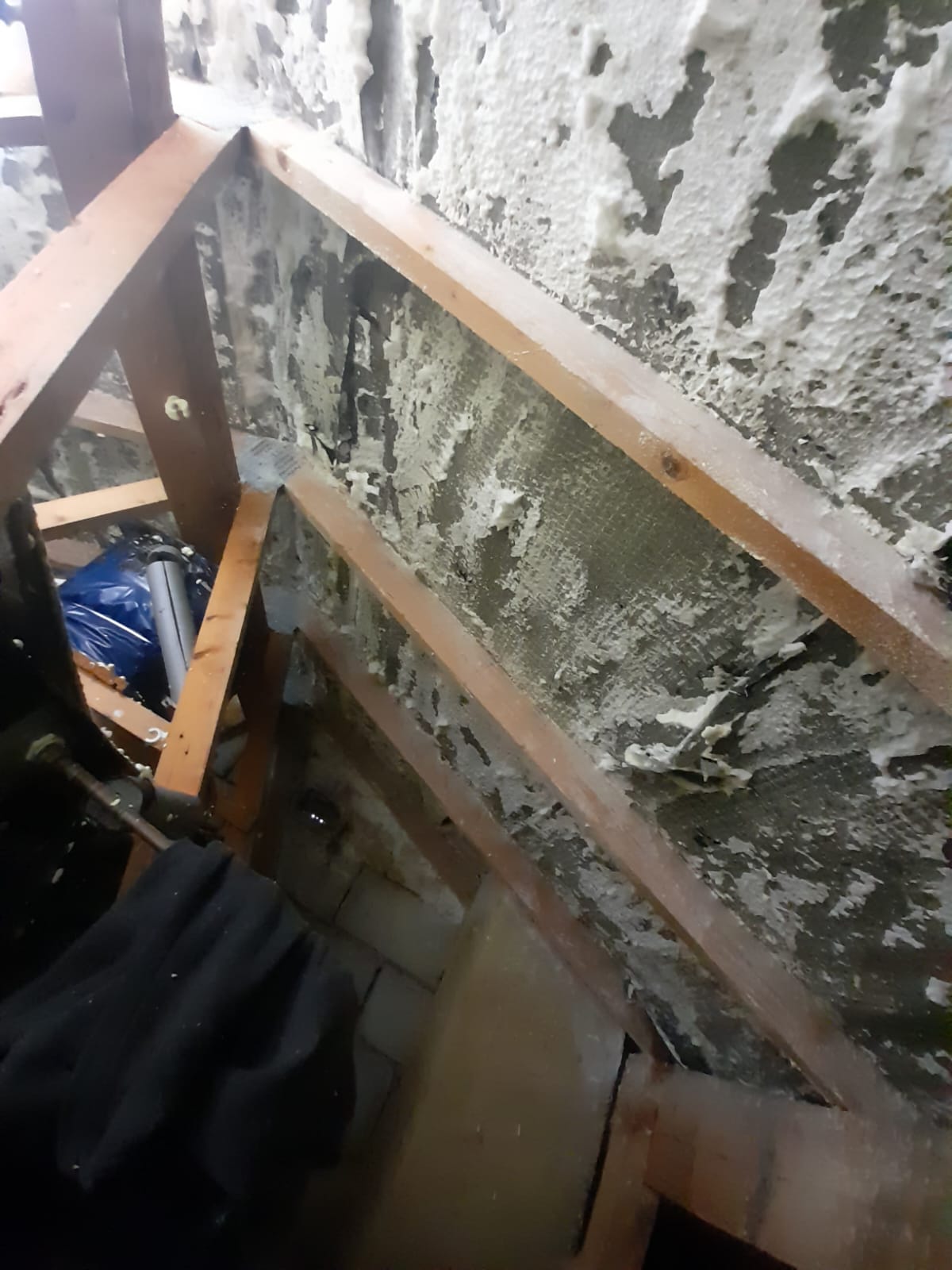
Spray foam insulation was once considered a modern solution for loft spaces. It promised superior thermal efficiency and quick installation. The reality, however, has proven far more complicated. Many homeowners discover that spray foam creates serious problems: trapped moisture, timber rot, structural damage, and mortgage rejection. Your lender won’t approve a property with problematic spray foam. Your equity release application gets blocked. Your loft conversion plans stall indefinitely.
The decision to remove spray foam isn’t optional for most property owners facing these barriers. It’s the essential step that unlocks your home’s true value and your financial options. When comparing spray foam removal specialists, the choice between LocalSprayFoamRemoval vs SmartSprayFoamRemoval shapes both your immediate costs and your long-term outcomes.
At IUEX, we’ve handled over 3,600 spray foam removal projects across the UK. Our experience shows that specialist selection determines whether you solve the problem or merely defer it. The right removal service doesn’t just extract foam, it restores structural integrity, resolves damp issues, and delivers the certification that lenders require.
Spray Foam Removal and Mortgage Approval: What Lenders Actually Require
Mortgage lenders treat spray foam insulation as a material risk factor. They don’t reject properties because foam exists, they reject because of what spray foam causes: moisture buildup, condensation damage, and hidden structural deterioration that surveyors flag as concerns.
Your lender’s surveyor will identify spray foam during the RICS survey.
What lenders actually require:
Professional removal by a certified specialist
A post-removal structural inspection confirming no hidden damage
A Mortgage Certificate issued by the removal company
Evidence that the roof space is now properly ventilated
Documentation that replacement insulation meets current Building Regulations
LocalSprayFoamRemoval: Strengths and Limitations
LocalSprayFoamRemoval operates as a regional service provider focused on spray foam extraction. The business model emphasises quick turnaround and competitive pricing for the removal process itself.
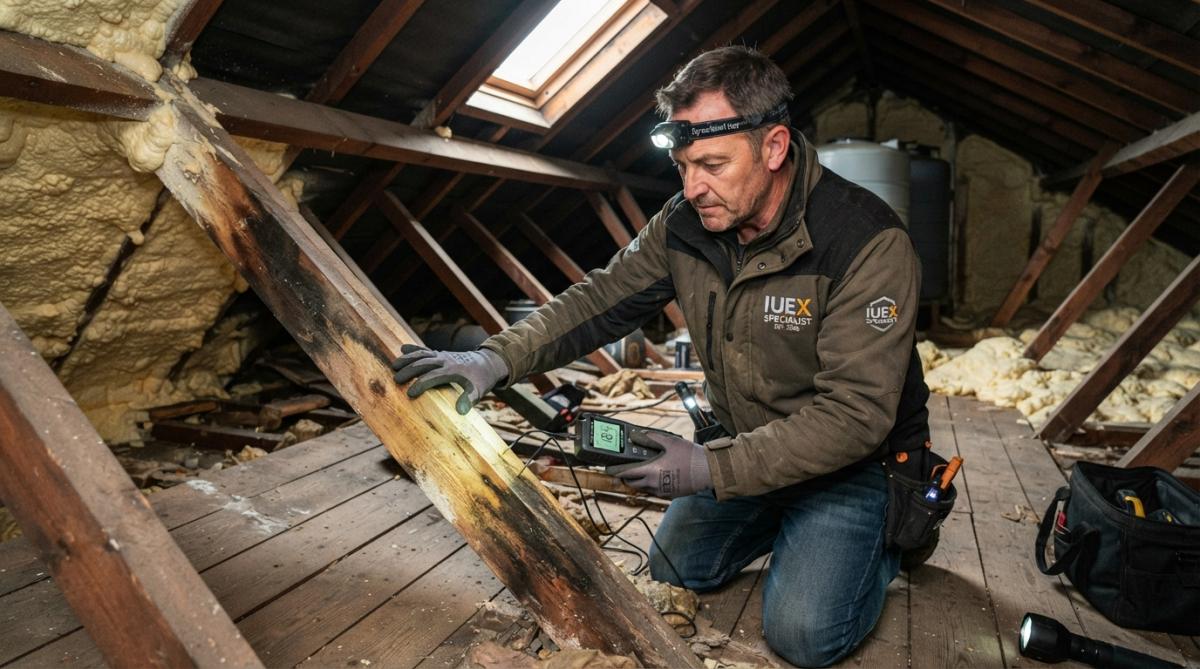
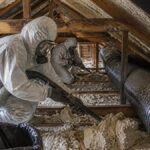
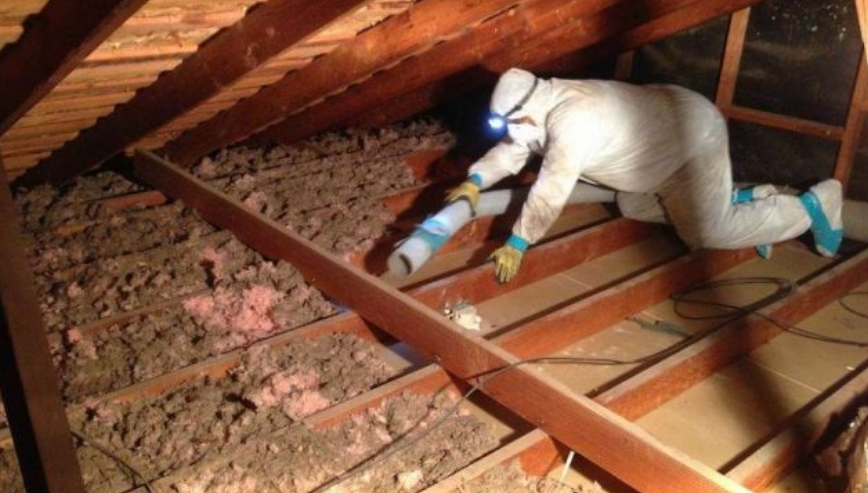
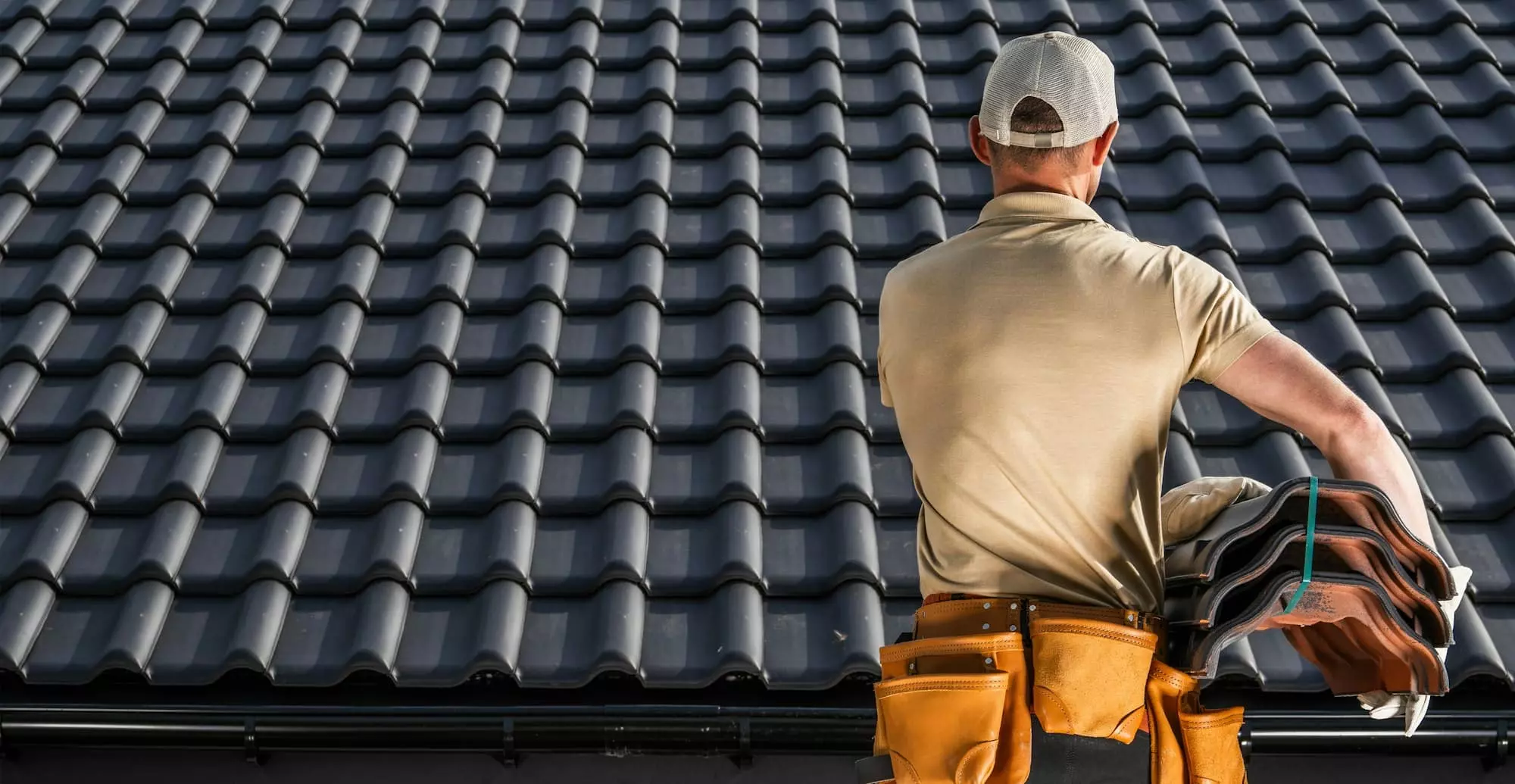
Professional inspector checking roof timbers for damage during a LocalSprayFoamRemoval vs SmartSprayFoamRemoval audit
Strengths:
Established local presence with recognisable brand awareness in their service region
Removal process typically completed within 2-3 days
Transparent pricing structure for extraction work
Experienced crews familiar with common loft configurations
Limitations:
Mortgage Certificate availability not clearly documented on their public materials
Post-removal structural assessment depends on subcontracted surveyors
No published track record of mortgage approval success rates
Limited information on how they handle discovered timber rot or structural issues
Equity release certification capability unclear
SmartSprayFoamRemoval: What Sets It Apart
SmartSprayFoamRemoval positions itself as a comprehensive solution combining removal with structural assessment and lender certification. The service model integrates multiple specialist functions into one engagement.
Strengths:
Removal and structural assessment conducted by the same team
Mortgage Certificate issued as part of standard service
Equity release documentation available
Published case studies demonstrating successful mortgage approvals
Faster path to lender approval (single engagement vs. multiple contractors)
Limitations:
Pricing structure less transparent than LocalSprayFoamRemoval
Removal timelines vary based on structural findings
If significant timber rot is discovered, additional remediation costs apply
Limited detail on how they handle properties with extensive damage
Cost of Spray Foam Removal in the UK: What You’ll Actually Pay
Spray foam removal pricing varies significantly based on loft size, foam density, accessibility, and whether underlying structural damage requires remediation. However, the removal cost itself is only half the financial picture. Most homeowners overlook the cost of replacement insulation and roof restoration, which often exceeds the removal expense.
Loft dimensions: Larger spaces require more labour and disposal capacity
Foam thickness and type: Closed-cell foam costs more to remove than open-cell varieties
Accessibility: Difficult roof structures, low headroom, and complex layouts increase labour time
Structural damage: Timber rot remediation, ventilation system installation, and mould treatment add to the base removal cost
Certification requirements: Mortgage Certificates and Equity Release documentation may incur additional specialist fees
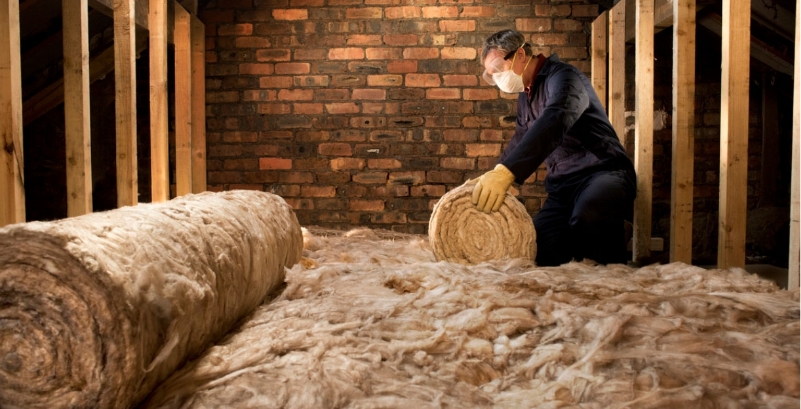
Mineral wool batts or rolls: £800-£2,500 for typical loft areas. Provides thermal performance (typically 0.04 W/mK) and allows moisture vapour to escape, preventing the condensation problems spray foam created. Building Regulations require minimum U-values (currently 0.16 W/m²K for lofts), achievable with 150-200 mm mineral wool depending on product grade.
PIR or polyurethane rigid boards: £1,500-£4,000 for premium thermal performance (0.023-0.025 W/mK). Denser than mineral wool but requires careful vapour barrier management to avoid trapping moisture. Often specified where headroom is limited.
Roof ventilation system installation: £400-£1,200. Spray foam typically blocks natural ventilation. Restoration requires soffit vents, ridge vents, or mechanical ventilation to meet Building Regulations and prevent future moisture buildup.
Timber treatment and repairs: £500-£3,000+. If removal reveals rot, woodworm, or structural compromise, treatment and localised replacement timber becomes necessary.
Damp-proof measures: £300-£1,500. Depending on findings, you may need additional moisture barriers, condensation control, or ventilation upgrades.
Any timber treatment or repairs discovered during removal
Total cost to achieve Building Regulations compliance
RICS Spray Foam Guidance and Professional Standards
The Royal Institution of Chartered Surveyors (RICS) doesn’t prohibit spray foam insulation, but they document significant concerns about its use in UK lofts. Their survey guidance requires surveyors to flag spray foam as a risk factor and note its condition.
RICS surveyors assess spray foam for:
Evidence of moisture or condensation
Mould growth or discolouration
Visible damage to underlying timber
Ventilation obstruction
Adherence to roof structure
Which Specialist Should You Choose?
The choice between LocalSprayFoamRemoval vs SmartSprayFoamRemoval depends on your specific situation and timeline. However, before evaluating specialists, it’s essential to understand why DIY removal or using unqualified contractors creates serious risks that far outweigh any cost savings.
Why Professional Removal Is Non-Negotiable
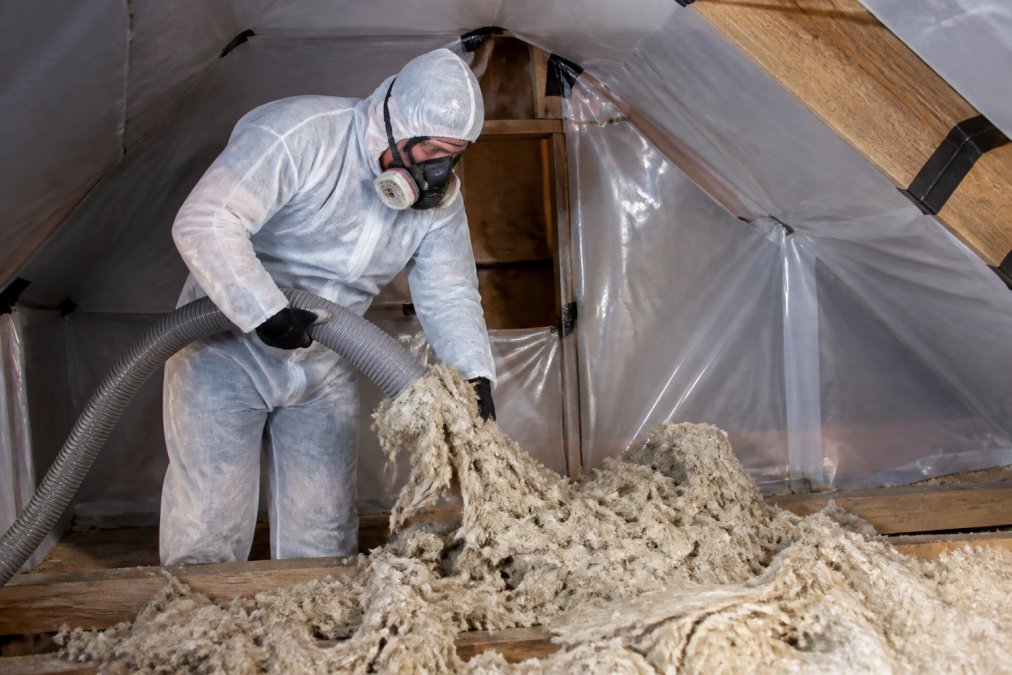
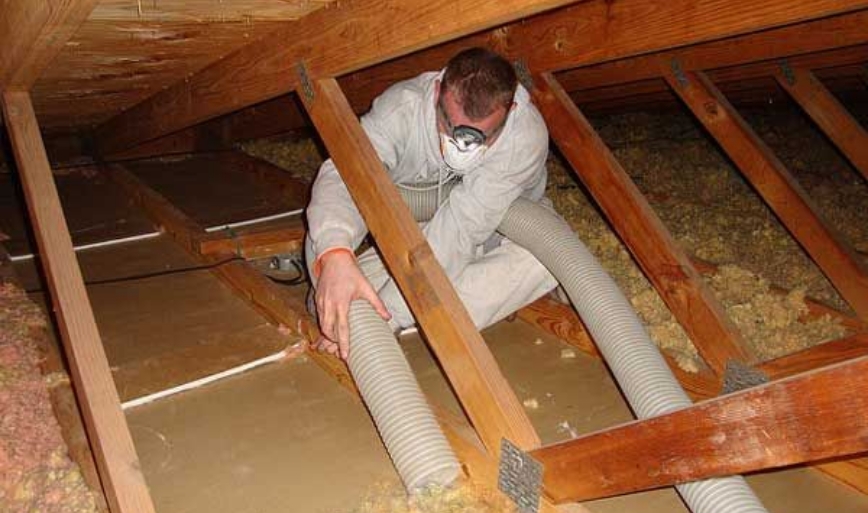
Respiratory exposure: Spray foam contains isocyanates and other volatile organic compounds (VOCs). Disturbing foam without proper respiratory protection (minimum P3-rated masks, ideally supplied-air respirators) exposes you to chemical inhalation. The Health and Safety Executive (HSE) classifies isocyanate exposure as a serious occupational health risk, linked to occupational asthma, sensitisation, and long-term respiratory damage. Professional removal teams use extraction equipment and respiratory protection; DIY removal typically does not.
Structural assessment risk: Spray foam often masks underlying timber rot, structural damage, or roof defects. Removing foam without trained structural assessment means you may miss critical damage, leading to undetected decay that worsens over months. By the time damage becomes visible, structural integrity is compromised. Professional removal specialists are trained to identify rot, assess load-bearing capacity, and flag remediation needs. DIY removal leaves you liable for missed damage that later affects property value or safety.
Moisture and ventilation: Improper removal can leave foam residue or inadequate ventilation, perpetuating the condensation problems that made removal necessary. Building Regulations require specific ventilation standards (typically 50 mm clear air gap above insulation, or equivalent mechanical ventilation). DIY reinstallation often fails to meet these standards, recreating the original problem within months.
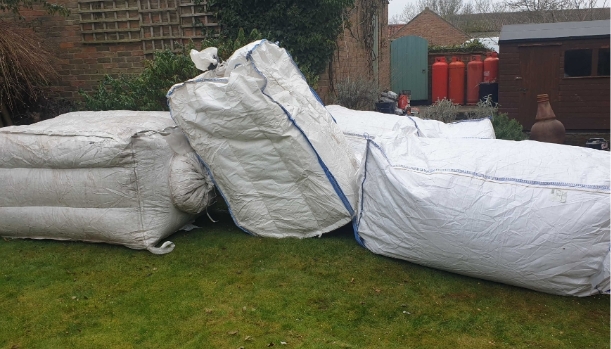
Waste disposal compliance: Spray foam is classified as construction waste. The Environmental Protection Act 1990 and Environmental Permitting (England and Wales) Regulations 2016 require that construction waste be disposed of at licensed facilities. Fly-tipping or disposal at non-licensed sites is illegal and can result in fines up to £50,000 or imprisonment. Professional removal specialists hold waste carrier licenses and use licensed disposal facilities; DIY disposal typically does not.
Mortgage and insurance implications: If you remove spray foam yourself and later structural issues emerge, your buildings insurance may deny claims on the grounds that unqualified work created the damage. Similarly, if your lender discovers DIY removal, they may void the mortgage offer or require a full structural survey at your cost. Professional removal provides documented evidence of qualified work and structural assessment, protecting your insurance and mortgage position.
Asbestos risk: Older spray foam products (pre-2000s) occasionally contained asbestos. Disturbing foam without asbestos testing exposes you to inhalation of asbestos fibres, a known carcinogen. Professional removal teams conduct asbestos surveys before work begins; DIY removal typically does not.
Choosing Between LocalSprayFoamRemoval and SmartSprayFoamRemoval
Choose LocalSprayFoamRemoval if:
You need foam removed quickly and cost is your primary concern
You’re willing to engage a separate surveyor for the Mortgage Certificate
Your loft has minimal structural concerns
You’re not under time pressure from a mortgage offer deadline
You have the capacity to coordinate multiple contractors (removal, assessment, reinstatement)
Choose SmartSprayFoamRemoval if:
You need Mortgage Certificate and Equity Release documentation as part of the service
You want a single point of contact managing removal and structural assessment
You prefer integrated service over coordinating multiple contractors
Your timeline is tight and you need lender approval within weeks
You value transparency in total project cost (removal + assessment + reinstatement)
Consider IUEX if:
You need the most established track record in the UK market
Your property has complex structural concerns or extensive timber damage
You require certified Mortgage and Equity Release documentation with proven lender acceptance
You want a specialist with over 15 years of hands-on experience and 3,600+ completed projects
You value a team fully trained in roof structure assessment and remediation
Your lender requires the highest confidence in structural integrity certification
You want environmental assurance that waste disposal meets regulatory standards
Frequently Asked Questions
What is the difference between LocalSprayFoamRemoval and SmartSprayFoamRemoval?
Both are established removal specialists, but they differ in certification scope, experience depth, and mortgage approval track records. LocalSprayFoamRemoval focuses on standard extraction, whilst SmartSprayFoamRemoval emphasises post-removal structural assessment and lender liaison. Your choice depends on whether you need basic removal or comprehensive restoration with guaranteed mortgage and equity release certification.
Will spray foam removal help me get mortgage approval?
Yes, if your lender has rejected your property due to spray foam insulation, professional removal with proper certification can restore mortgageability. Lenders require evidence that extraction was completed to building regulations standards and that underlying timber structures are sound. A certified specialist will issue the mortgage and equity release certificate your lender needs to reconsider your application.
How much does spray foam removal cost in the UK?
Pricing varies based on loft size, foam thickness, accessibility, and whether structural repairs are needed. Costs typically increase if moisture damage or timber rot is discovered during removal. Both LocalSprayFoamRemoval and SmartSprayFoamRemoval offer site surveys to provide accurate quotes. Contact either specialist for a detailed estimate based on your property’s specific requirements.
What does RICS spray foam guidance require from removal specialists?
RICS (Royal Institution of Chartered Surveyors) guidance emphasises professional extraction, structural inspection, and documentation of roof condition post-removal. Specialists must identify moisture, condensation risk, timber rot, and ventilation issues. Proper removal should restore building regulations compliance and include certification that the loft is safe for future use or conversion. Ensure your chosen specialist references RICS standards in their assessment process.