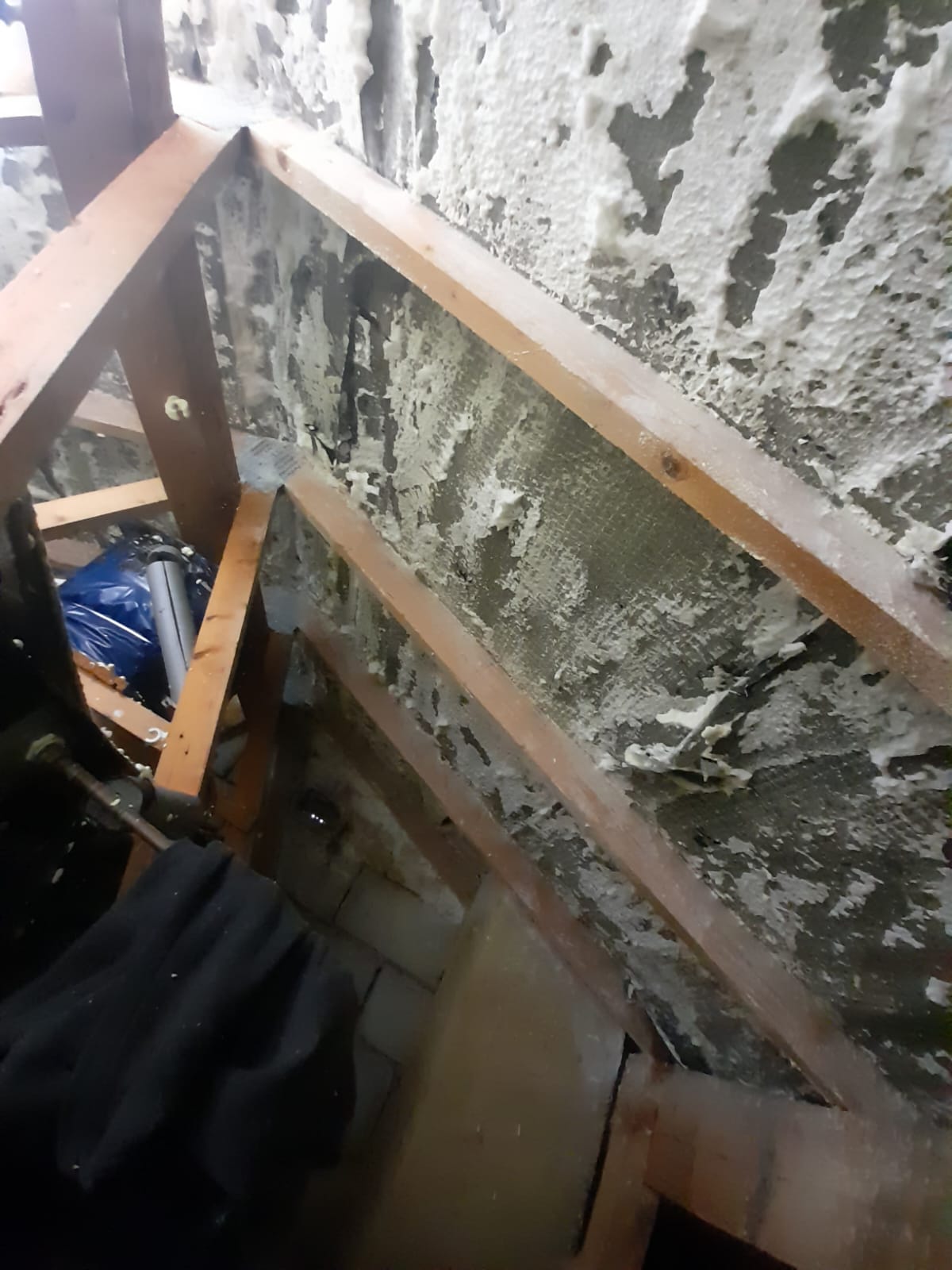
Before you undertake a clear loft conversion, assess what you’re dealing with. Hidden dangers affect your timeline, budget, and safety.
Check for asbestos first. Many older properties contain it in insulation, pipe lagging, or roofing materials. It’s stable when left alone but dangerous when disturbed. You cannot tell by looking, so assume it’s present until proven otherwise.
Inspect load-bearing joists for rot, water damage, or sagging. Damp patches, soft wood, or mould indicate moisture problems that must be addressed before conversion. Weak joists cannot support new flooring or walls.
If your property was built before 2000, assume materials contain asbestos (Introduction to asbestos safety: Overview). Do not disturb it. Hire a certified surveyor to test samples. The cost of testing is far less than improper removal or health complications.
Water damage and rodent contamination require professional removal. Bird droppings and rodent urine carry disease. Do not attempt DIY removal.
Examine visible timber and press suspect areas with a screwdriver. If the blade sinks easily, rot has compromised the structure. Check for water stains on joists and rafters, which indicate leaks. Many conversion failures start with undiagnosed damp.
Load-bearing joists support the roof and new floors. If undersized or damaged, they must be reinforced or replaced before conversion work proceeds.
Watch OutNever work in a loft without proper access equipment. A ladder alone is not safe. Install a loft hatch and access ladder if one does not exist. Falls from height are serious injuries. Proper access also protects your belongings from accidental damage during clearance.
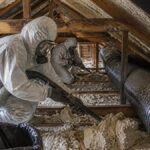
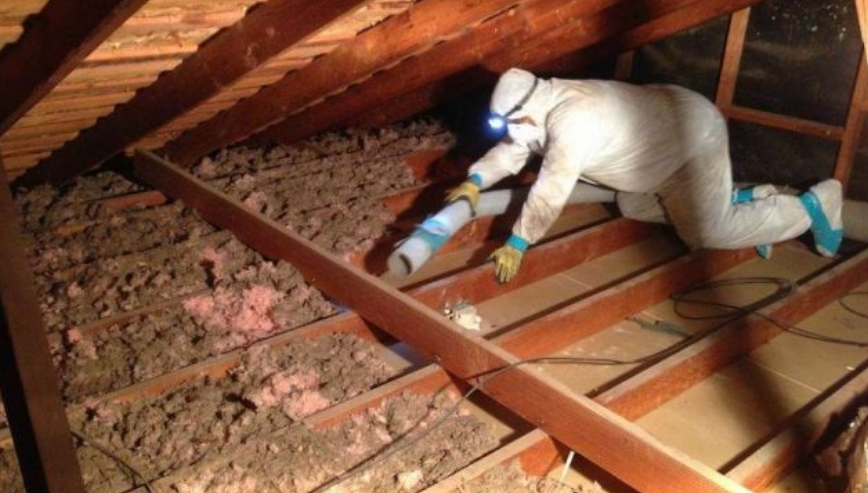
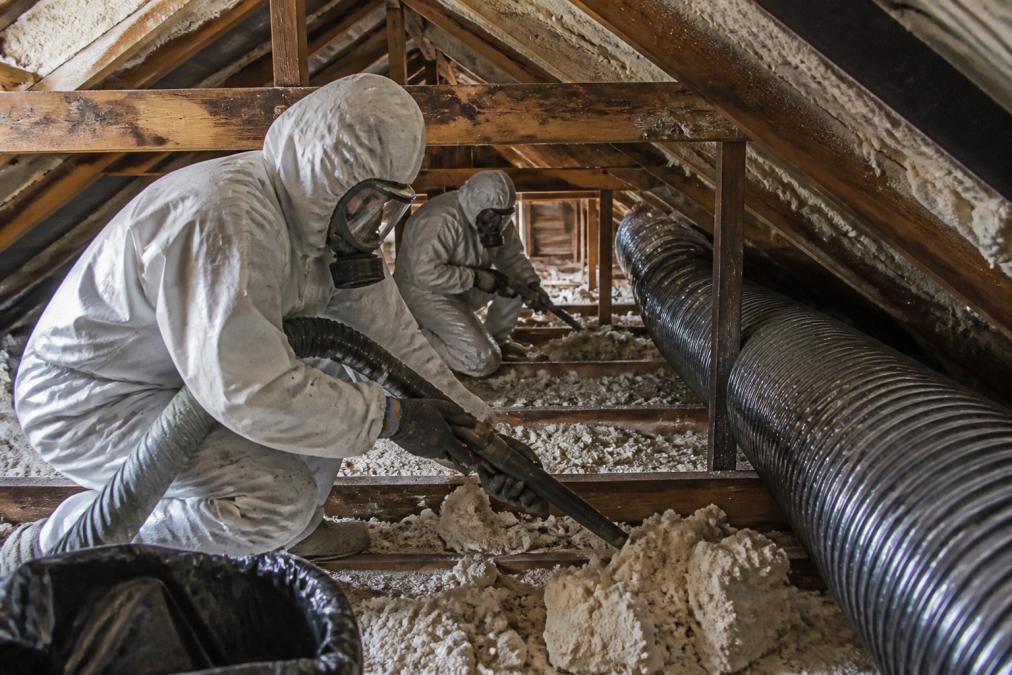
Wear proper PPE: a P100 respirator (not a surgical mask), eye protection, gloves, and a full protective suit to shield against dust, fibres, and debris.
Install temporary LED work lights for adequate visibility. Open windows and doors, and use a portable fan to direct dust outward.
Set up a containment zone if hazardous materials are suspected. Seal doorways with plastic sheeting and duct tape. Hire a professional if contamination is likely.
Pro TipRent a skip before you start. Most loft clearances generate far more waste than you expect. Having a skip on-site means you can load debris immediately instead of stacking it in your garden or garage. This keeps your workspace clear and speeds up the job.
Old insulation deteriorates and loses thermal properties. Removing it is necessary before installing new insulation that meets current building regulations.
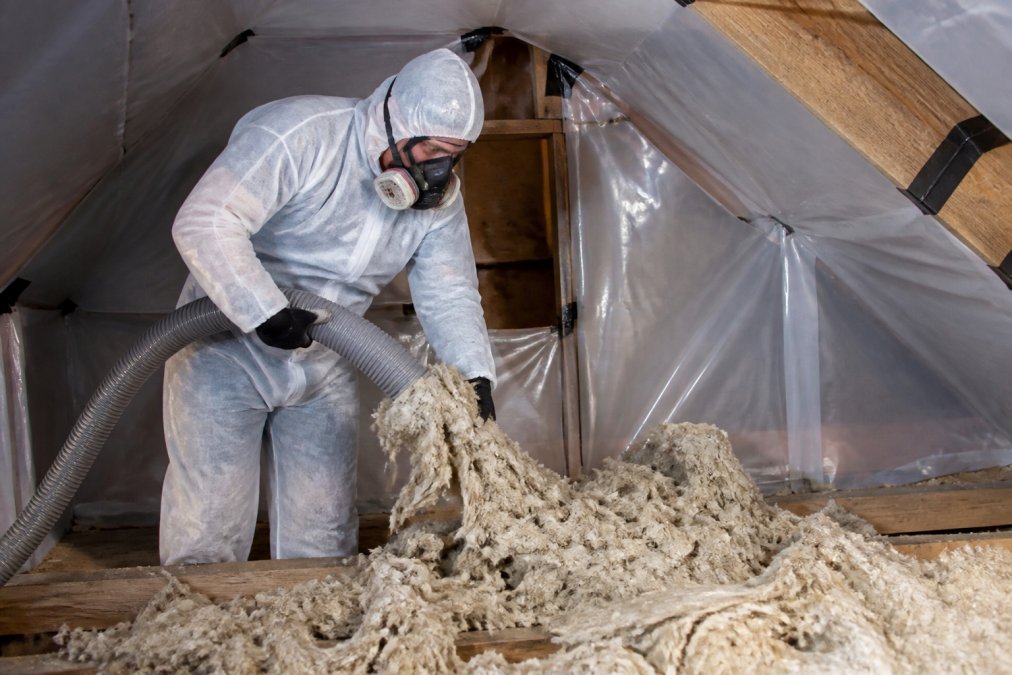
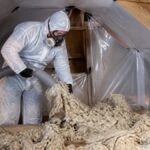
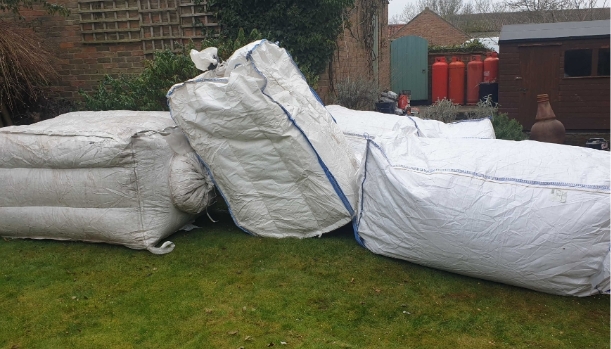
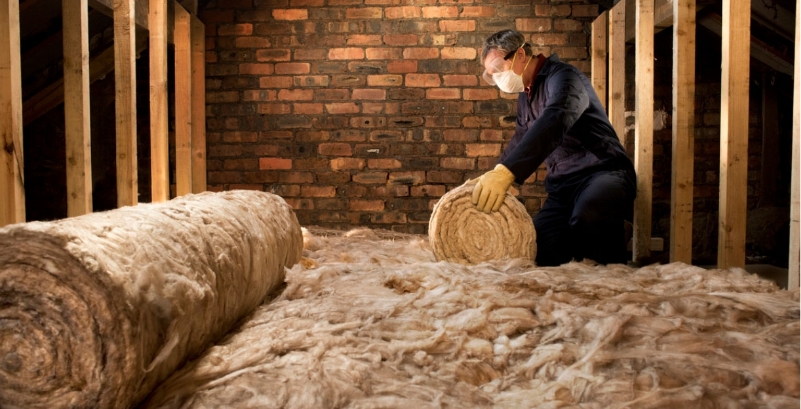
Manual removal requires full PPE and careful bagging. Mineral wool is common in older properties and relatively safe to handle with proper protection. Dispose of it at your local waste transfer station, where many councils accept it free of charge.
Water-damaged or contaminated insulation must be professionally removed. Rodent or bird droppings carry serious health hazards. Document contamination with photographs before removal begins.
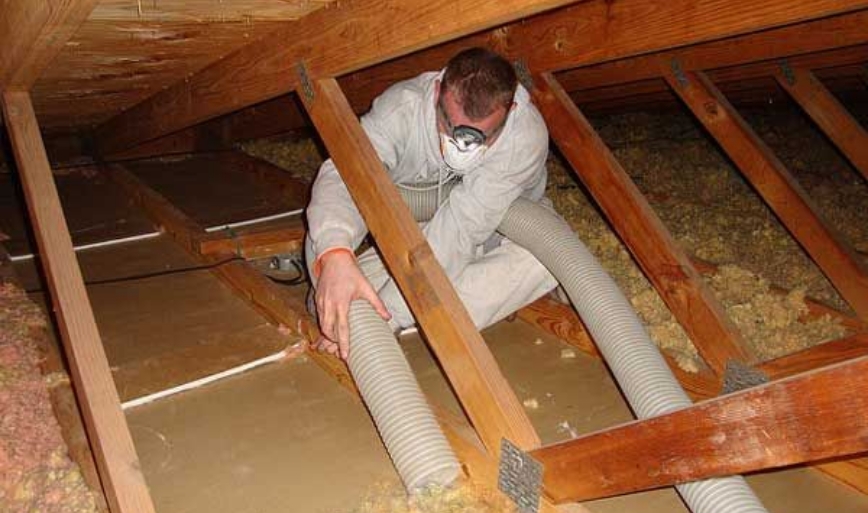
Use a HEPA vacuum with sealed system and empty it outside. Spray water lightly on insulation before removal to dampen dust. Work in sections and seal completed areas with plastic sheeting.
Spray foam insulation is common in modern lofts but creates serious complications for loft conversion projects.
Spray foam blocks access to structural elements that a clear loft conversion requires surveyors and builders to inspect. Mortgage lenders and equity release companies often reject properties with spray foam because they cannot verify the underlying structure is sound.
Spray foam traps moisture and can deteriorate over time, creating damp problems. Building regulations require specific thermal performance standards that old spray foam may not meet. Removal allows installation of modern compliant insulation.
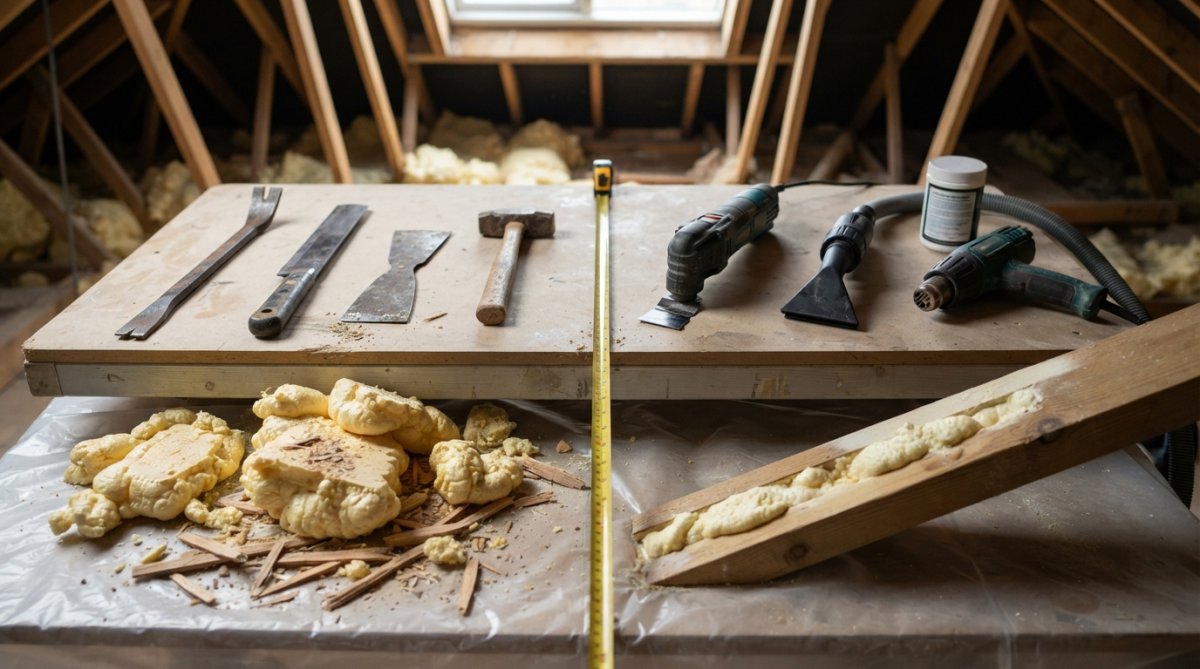
Removing spray foam yourself is not recommended. The foam bonds extremely strongly to timber and other materials. Scraping it off manually is time-consuming and creates large amounts of dust. Professional removal teams use specialised equipment that softens the foam and removes it efficiently.
IUEX specialises in spray foam removal for loft conversion projects. Our team has completed over 3,600 successful removals. We understand the structural issues that spray foam conceals. We remove the foam safely, then assess what lies beneath. If rot, damp, or structural damage is present, we identify it and recommend solutions.
Professional removal includes proper waste disposal. Spray foam is bulky and difficult to transport. Licensed waste carriers handle disposal correctly. You receive documentation proving proper disposal, which your lender and surveyor require.
Key TakeawaySpray foam removal is not optional if you want mortgage approval for conversion work. Lenders require access to the structural elements for proper surveying. Professional removal by certified teams can help avoid the costs associated with a failed mortgage application or hidden structural problems discovered mid-conversion.
Your loft probably contains years of accumulated items. Some are worth keeping. Others are rubbish. Sorting before removal saves time and money. It also reduces waste going to landfill.
Create an inventory as you work. List items you want to keep, donate, or dispose of. Take photographs of valuable items. This documentation helps if you need it for insurance purposes later.
Start by removing items you definitely want to keep. Boxes of personal documents, family heirlooms, and seasonal decorations go into a separate storage area. These items are usually small and easy to handle.
Next, identify items suitable for donation. Charity shops accept furniture, clothing, books, and household goods in good condition. Contact local charities before you start. Many collect items free of charge if you deliver them. Some offer collection services for larger items.
Separate recyclable materials. Metal, plastic, cardboard, and wood can often be recycled. Separate these from general waste. This reduces the volume going to landfill and may offset some disposal costs.
Document any hazardous items. Old paint tins, solvents, pesticides, and batteries require special disposal. Do not mix these with general waste.
A skip is the most practical solution for large-scale loft clearance. Skip hire companies deliver a skip to your property. You load it as you work. The company collects it when full and disposes of contents properly. This keeps your workspace tidy and speeds up the project.
Best ForHomeowners clearing spray foam and old insulation benefit most from professional removal combined with skip hire. The combination ensures safe handling of hazardous materials, proper disposal documentation, and a clean workspace ready for structural assessment.
Loft clearance costs depend on several factors. Understanding these factors helps you budget accurately and avoid surprises.
Labour costs vary by region and by the complexity of the job. Simple removal in good conditions costs less than work involving hazardous materials or structural complications. The time required depends on your loft size, access difficulty, and the condition of materials.
Professional clearance seems expensive until you factor in the alternatives. If you attempt DIY removal of spray foam and damage the roof structure, repair costs multiply quickly. If you fail to identify contaminated insulation and become ill, medical costs and lost time are far higher than professional removal.
Once insulation is removed and structural issues addressed, your loft is ready for conversion planning. This stage involves rerouting services and ensuring compliance with building regulations.
Electrical circuits may run through your loft. These must be rerouted before conversion work begins. Rerouting requires a qualified electrician. They assess existing circuits, identify what needs to be moved, and install new wiring in safe locations. This work must comply with Building Regulations and the IET Wiring Regulations (BS 7671).
Building Regulations specify thermal performance for loft conversions. New insulation must achieve specific U-values. The current standard for roof insulation is typically 0.16 W/m²K or better. Your builder selects insulation products that meet this requirement.
Yes, spray foam must be removed before loft conversion in most cases. Lenders and building control require clear access to assess structural integrity and verify compliance with thermal and ventilation regulations. Spray foam also prevents proper installation of conversion-compliant insulation and can hide structural defects. Professional removal with certification ensures your conversion proceeds without delays or mortgage rejection.
Old insulation must be fully removed and disposed of through licensed waste carriers. Check for contamination from water damage, rodents, or birds, these require specialist handling. Separate recyclable materials where possible, but prioritise safe removal over recycling. A licensed waste transfer note documents proper disposal. Removal clears the space for structural inspection and allows new conversion-compliant insulation to be installed correctly.
Loft clearance cost depends on the volume of contents, insulation type, presence of hazardous materials, and accessibility. Spray foam removal typically costs more than standard insulation due to specialist equipment and certification requirements. Professional removal includes waste disposal, safety compliance, and structural assessment, often preventing costlier problems later. Get a quote from a certified specialist to understand your specific situation and budget.
Before clearing, inspect load-bearing joists for rot or damage. Check that the loft hatch and access ladder support safe movement. Ensure adequate ventilation during removal to prevent moisture buildup. After clearance, building control requires verification that the structure can support conversion work and that all electrical wiring and plumbing services are safely rerouted. Professional assessment confirms compliance with building regulations and identifies any repairs needed before conversion begins.
How to Clear Your Loft for Conversion: Step-by-Step Guide Home…
LocalSprayFoamRemoval vs SmartSprayFoamRemoval Home Get Certified Spray Foam Removal Quote:…
Getting Mortgage After Spray Foam Removal Home Get Certified Spray…