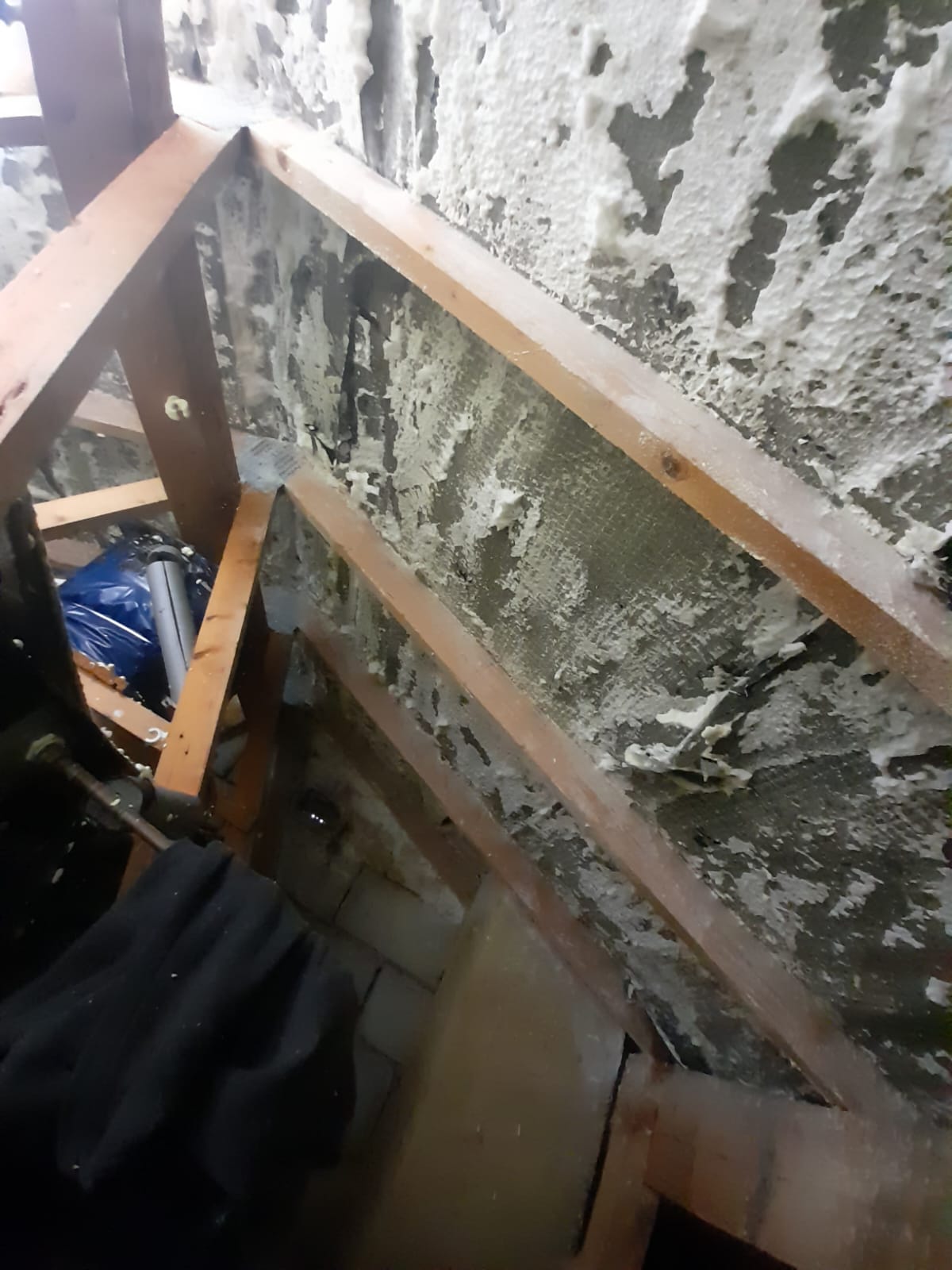
Whether spray foam removal tax deductible depends entirely on the type of property you own and how HMRC classifies the expense. For homeowners with owner-occupied properties, spray foam removal is almost never tax deductible as a personal expense. For landlords and property investors, the situation is more nuanced, it may qualify as an allowable expense under specific conditions, but only if it meets HMRC’s strict criteria for capital versus revenue expenditure.
The confusion around spray foam removal tax deductibility stems from mixing two entirely separate tax concepts: VAT exemptions on energy-saving materials and income tax deductibility of property expenses. A removal service might be VAT-exempt (which benefits the purchaser at point of sale), but that does NOT make it automatically tax deductible for income tax purposes.
The key principle is this: HMRC treats spray foam removal as capital expenditure in most cases, not revenue expenditure. Capital expenditure relates to improving or acquiring assets and typically cannot be deducted from taxable income in the year it’s incurred. Revenue expenditure, repairs and maintenance of existing property, can sometimes qualify for relief. Since removing spray foam usually involves restoring the property’s structure and thermal efficiency rather than maintaining its current state, it falls into the capital category for tax purposes.
Spray foam insulation creates a unique problem for property owners seeking mortgage approval or equity release. Lenders view spray foam as a structural and thermal risk because it can trap moisture, prevent roof ventilation, and obscure underlying timber decay. When a surveyor’s report flags spray foam during a mortgage valuation, lenders frequently reject the property outright or demand removal as a condition of lending.
This is where the tax implications intersect with practical financial liability. The cost of professional spray foam removal, often running into thousands of pounds depending on coverage area, becomes an unavoidable expense if you want to sell, refinance, or access equity in your property. The question then becomes: can you offset this cost against your taxes?
For owner-occupiers, the answer is definitively no. Your primary residence is not a business asset, so removal costs cannot be claimed as a deduction. For landlords, the situation depends on whether the foam was already present when you purchased the property. If you inherited the spray foam problem from a previous owner and must remove it to meet mortgage lender requirements or building regulations compliance, HMRC may view this as remedial capital expenditure, still not deductible in the current tax year, but potentially recoverable through capital allowances or adjustment to the property’s acquisition cost basis.
The most critical mistake property owners make is assuming that because removal is “necessary” or “required by the lender,” it automatically becomes tax deductible. Necessity and tax deductibility are separate concepts under UK tax law. A surveyor’s report recommending removal does not change HMRC’s classification of the expense.
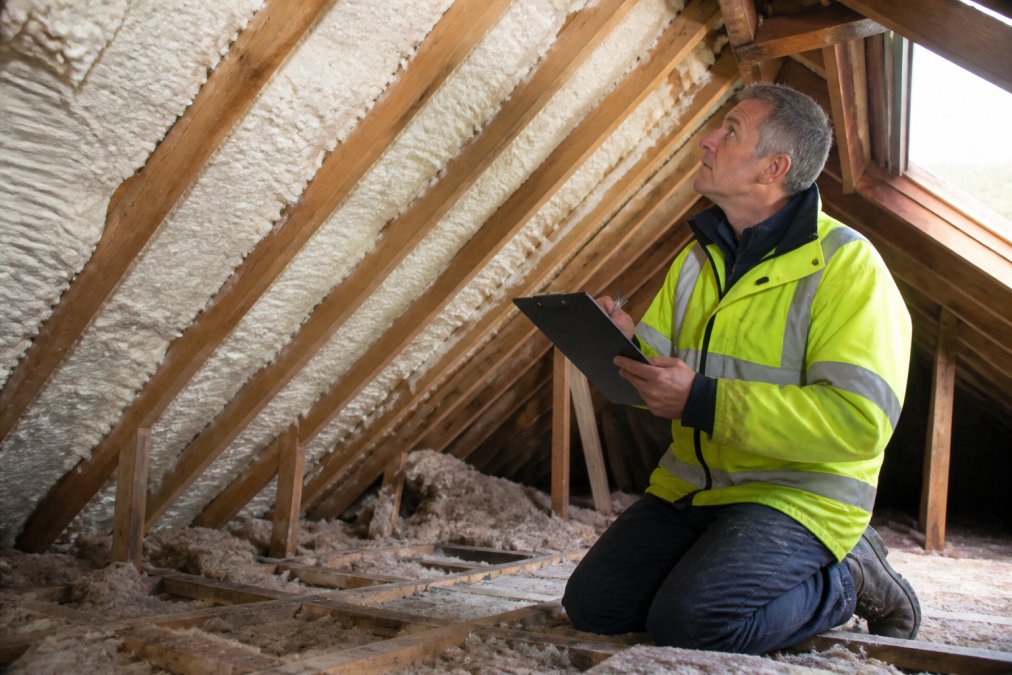
Understanding the distinction between capital and revenue expenditure is essential to navigating spray foam removal costs for tax purposes. HMRC’s guidance is clear: capital expenditure creates or enhances an asset, while revenue expenditure maintains or repairs an existing asset.
Spray foam removal almost always qualifies as capital expenditure because it involves restoring the structural integrity and thermal efficiency of the property, improvements rather than repairs. When you remove spray foam, you’re typically addressing underlying damage, restoring roof ventilation, and preventing future moisture accumulation. These actions enhance the property’s value and lifespan, characteristics of capital work.
However, there are narrow exceptions. If spray foam removal is part of a larger remedial project addressing specific defects (such as moisture damage from the foam itself), and you can demonstrate that the removal is purely corrective rather than enhancing, HMRC might classify a portion as revenue expenditure. This is rare and requires detailed documentation and professional assessment.
For landlords, the practical implication is that removal costs cannot reduce taxable rental income in the year incurred. Instead, they may be eligible for capital allowances under specific conditions, or the cost might be added to the property’s capital cost for purposes of calculating Capital Gains Tax when you eventually sell.
The distinction matters significantly for your tax bill. A £5,000 removal expense classified as revenue expenditure could reduce your taxable income by £5,000 (saving roughly £1,000-£1,250 depending on your tax bracket). Classified as capital expenditure, it provides no immediate tax relief but may affect your property’s cost basis or qualify for future capital allowances, a much slower benefit.
The cost of professional spray foam removal varies significantly based on coverage area, foam density, roof access, and complexity of the extraction process. Pricing typically depends on square metre coverage, the depth of foam application, and whether structural repairs are needed once the foam is removed.
Many property owners delay removal because of cost anxiety. They worry that once foam is stripped away, they’ll discover extensive timber rot, structural damage, or other costly issues lurking beneath. This concern is valid, spray foam frequently conceals problems. However, avoiding removal doesn’t eliminate the liability; it defers it. A lender will eventually demand removal before approving a mortgage, or a future buyer’s surveyor will flag it during conveyancing.
The financial liability extends beyond removal costs. If spray foam has caused moisture damage, timber decay, or structural compromise, those remedial costs are separate from extraction. A professional removal specialist should provide a detailed survey before quoting, identifying both removal costs and any additional structural work required. This transparency protects you from unexpected bills mid-project.
For tax purposes, the total cost, removal plus necessary structural remediation, may be treated as a single capital expenditure if the work is undertaken as one project. Splitting the work into separate invoices (removal one month, repairs later) could complicate HMRC’s assessment, so it’s advisable to coordinate the full scope of work with your contractor upfront.
This is where confusion typically peaks. The VAT treatment of spray foam removal differs markedly from the income tax treatment, and mixing them up is the most common mistake property owners make.
Under current VAT rules, certain energy-saving materials and installation services qualify for zero-rated VAT. This can include insulation materials and their installation when they meet specific conditions. However, removal services, extracting existing foam, are typically standard-rated at 20% VAT unless the removal is part of an integrated energy-efficiency improvement project that qualifies for zero-rating.
The critical point: zero-rated VAT is a point-of-sale benefit. It reduces what you pay the contractor. It does NOT make the expense tax deductible for income tax purposes. A zero-rated invoice is still capital expenditure and still cannot be claimed as a revenue deduction against your taxable income.
For landlords, the VAT treatment is relevant because VAT-registered landlords can recover VAT paid on business expenses. If your spray foam removal qualifies for zero-rating, you pay less upfront. If it’s standard-rated at 20%, you pay the full amount, but if you’re VAT-registered, you can recover the VAT input tax through your VAT return.
Capital Gains Tax (CGT) enters the picture when you eventually sell a property where you’ve incurred spray foam removal costs. For owner-occupiers, primary residences are exempt from CGT, so removal costs have no direct CGT consequence, they simply reduce the net proceeds from the sale.
HMRC scrutiny of property-related expenses has intensified, particularly for landlords claiming expenses against rental income. If you claim any portion of spray foam removal costs as deductible, your documentation must be impeccable.
Spray foam removal is rarely tax deductible in the year costs are incurred, but understanding the nuances can help you plan financially and minimize your tax exposure. The distinction between VAT treatment and income tax deductibility is critical, a zero-rated VAT invoice does not equal a tax-deductible expense.
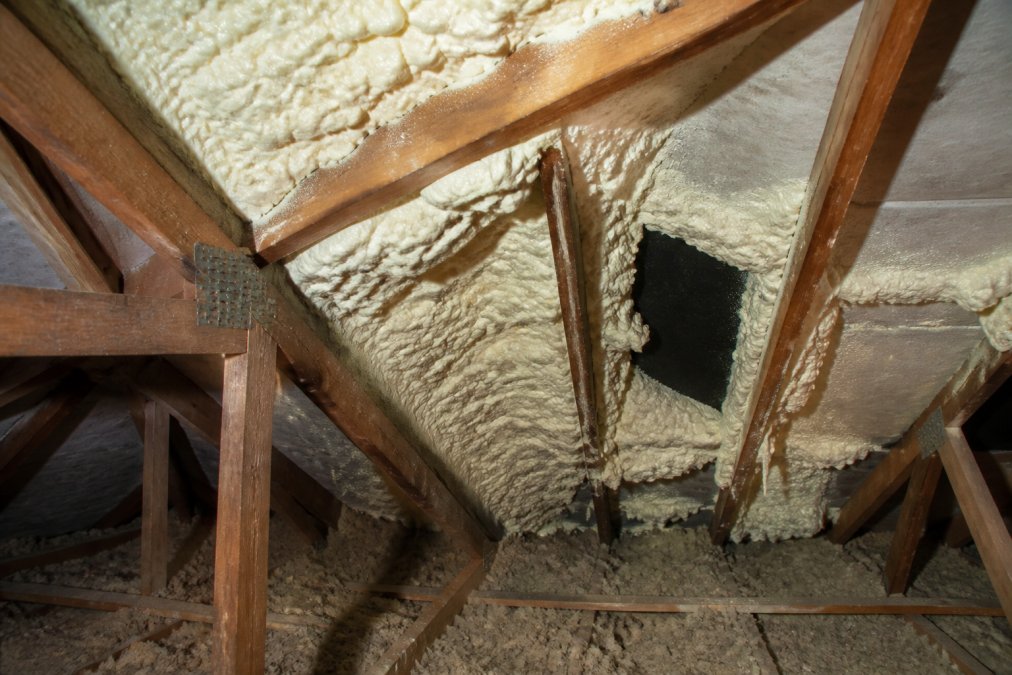
How to Identify Bad Spray Foam: A Diagnostic Guide Home…
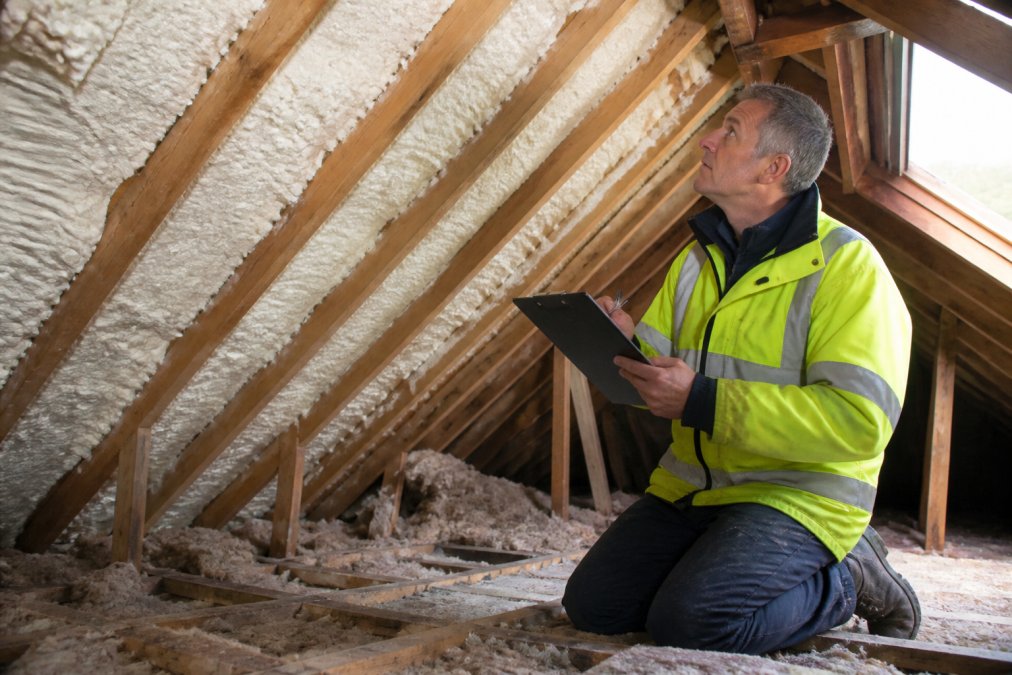
Is Spray Foam Removal Tax Deductible? 2026 Guide Home Get…
How to Clear Your Loft for Conversion: Step-by-Step Guide Home…