Not always. Removal is necessary when the foam has caused hidden damp, blocked ventilation, or a mortgage or equity release rejection. If it was installed correctly, is dry, and your lender is satisfied, it can often stay.
Removal becomes unavoidable when:
Mortgage lenders are the most common trigger: many will not lend against a property with spray foam because they cannot verify the condition of the timbers beneath it.
Foam can stay if it was professionally installed to the manufacturer’s specification, the loft is dry, and ventilation was maintained. Some lenders now accept it where a qualified specialist certifies the roof deck is sound; without that documented evidence, most treat the foam as an unknown risk and decline.
DIY removal is dangerous and, in most cases, a false economy. Spray foam releases harmful particles and vapours when cut, and the tools needed to shift cured foam can easily damage the roof deck you are trying to protect. The risks fall into three categories: what it does to your body, what it does to your roof, and what it hides until it is too late.
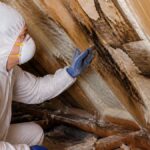
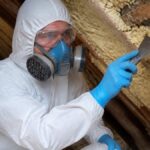
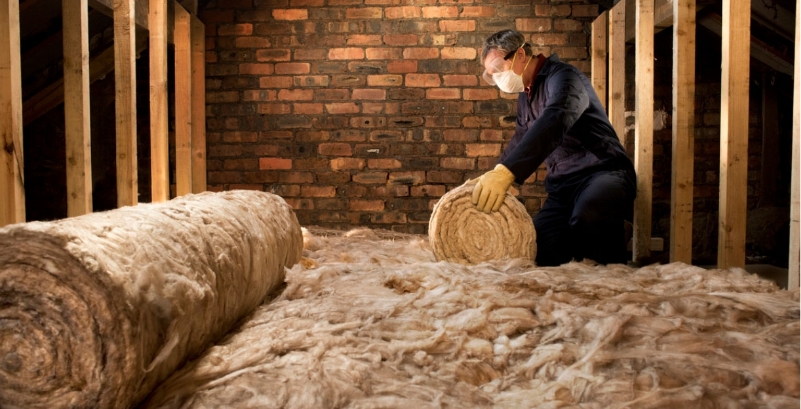
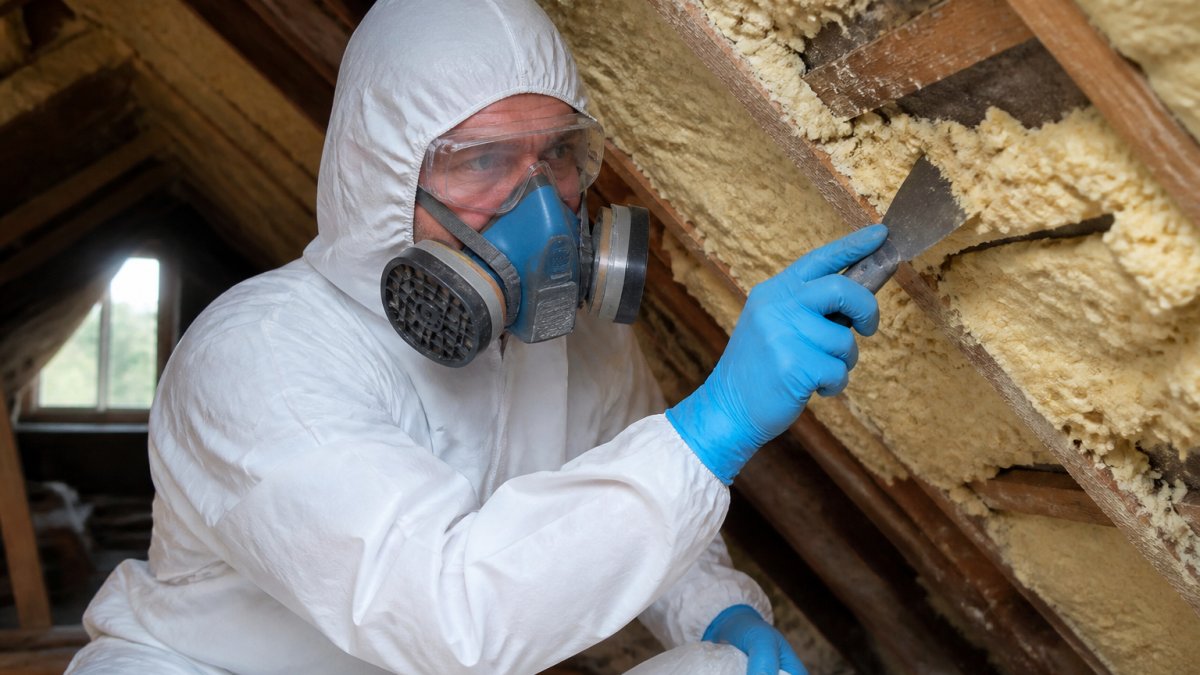
Cured polyurethane foam is not inert when you cut into it. Sawing, scraping, and grinding release fine dust and isocyanate particles that irritate the lungs and airways, and in a confined loft with poor airflow those particles concentrate quickly. Anyone attempting removal needs a fitted respirator with appropriate filter cartridges, not a paper dust mask, plus sealed safety goggles and cut-resistant gloves.
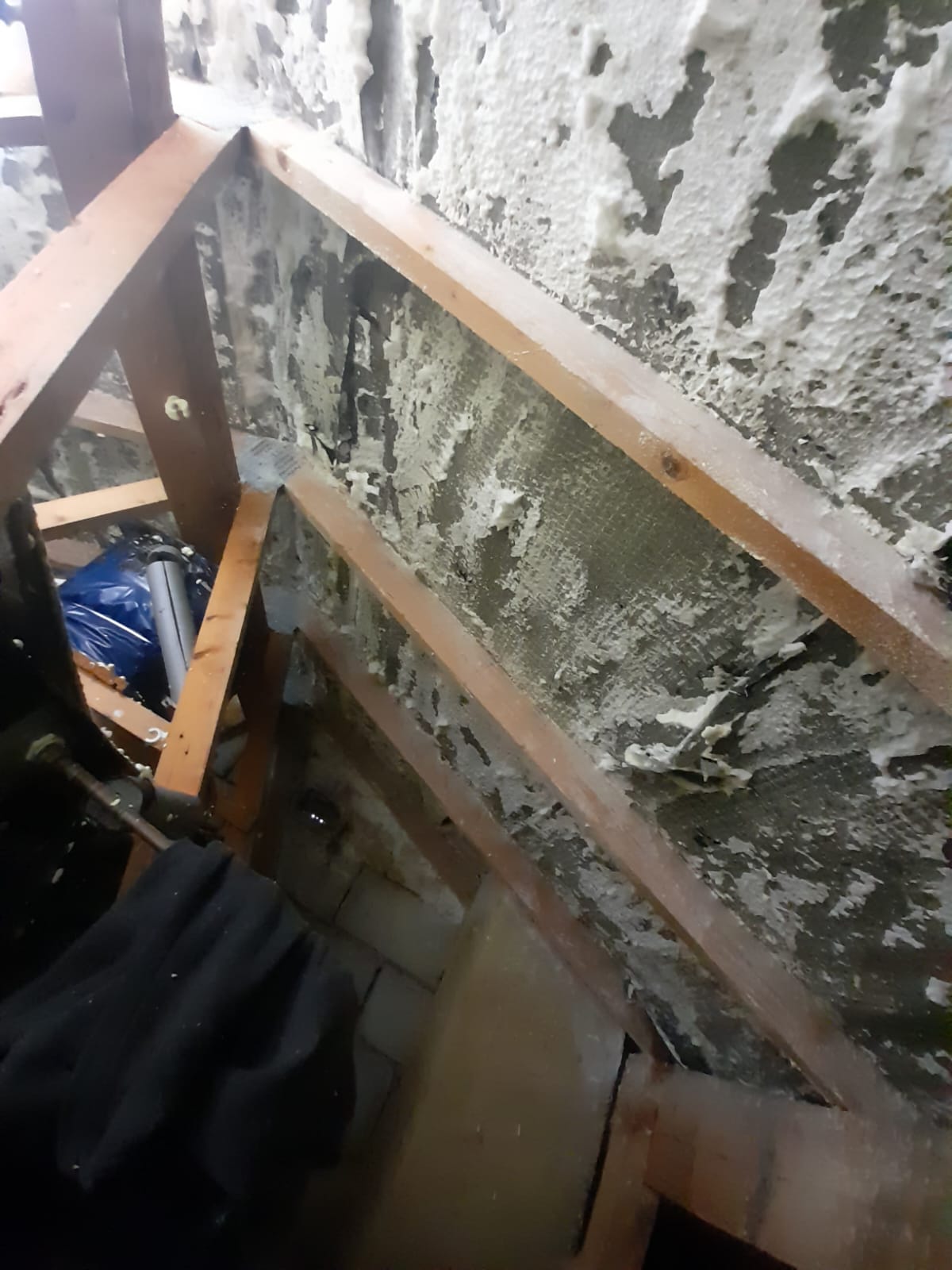
The bigger risk is to the roof itself. Foam bonds aggressively to timber, tiles, and felt, so pulling it away by force can tear felt, crack tiles, and splinter rafters. If the foam has trapped moisture against the deck, the timber beneath may already be softened, and rough handling turns a repairable problem into a structural one.
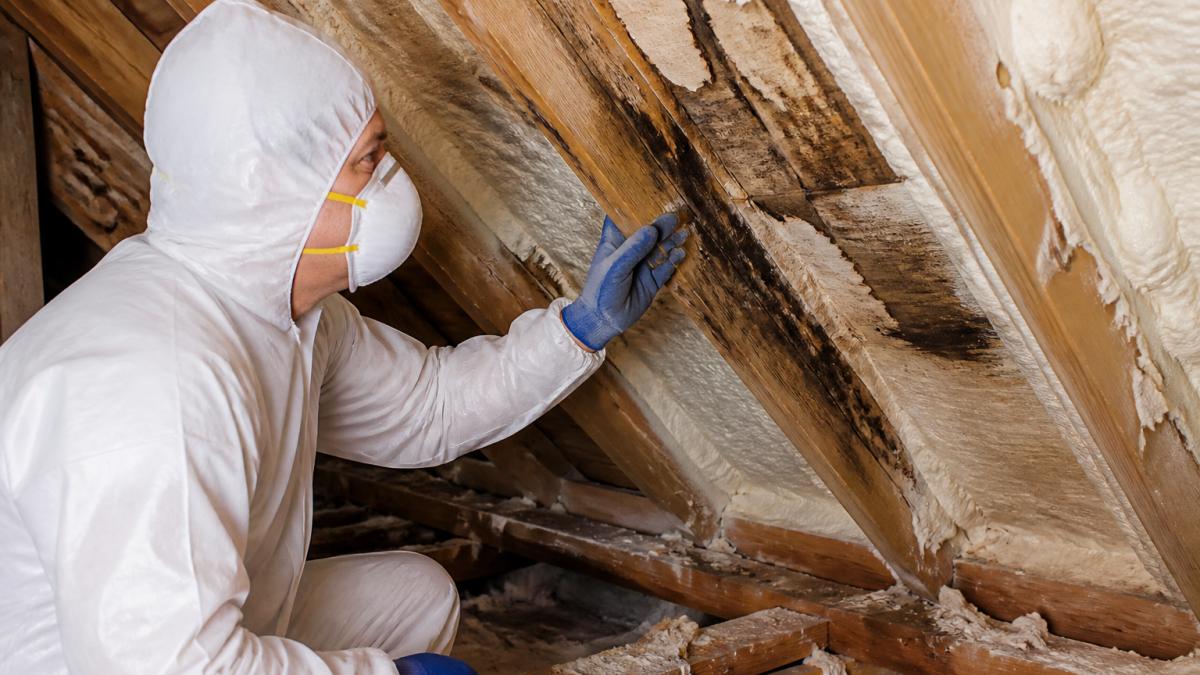
This is the part most guides miss. Spray foam does not just sit on the roof deck, it conceals it. By the time you start cutting, you may be the first person to see those timbers in years, and what you find determines whether the job is a removal or a repair.
DIY removal is only realistic for small, accessible areas of dry foam that is well-bonded but not fused to fragile surfaces, where the roof deck is sound. It stops being viable when:
The right kit matters more than raw effort. Cured spray foam resists most hand tools, so you need cutters and scrapers designed for the job, plus full PPE before you open the loft hatch.
PPE (non-negotiable):
Tools:
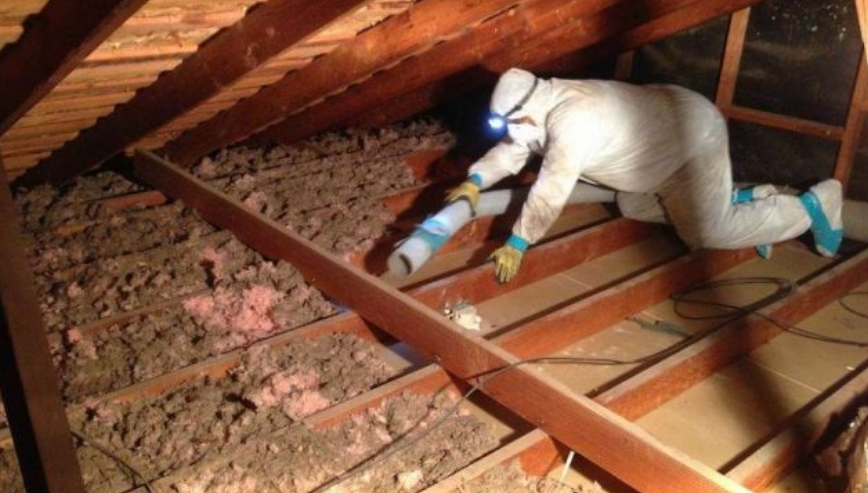
The removal process follows four stages: assess the foam and roof deck, isolate and ventilate, cut and extract the foam, then clean residue and inspect the sub-roof. Skipping the assessment is where most DIY attempts go wrong.
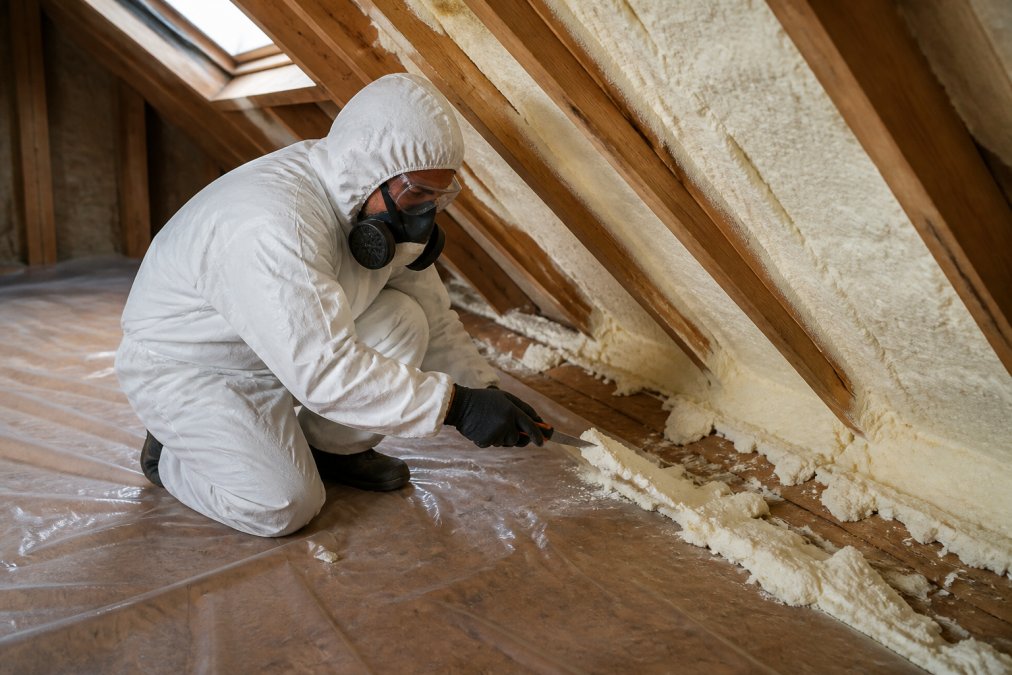
Before cutting anything, establish what you are dealing with. Check foam density, thickness, and whether the roof deck shows moisture buildup, condensation, or soft timber. A moisture meter and a torch are essential.
Seal the loft from the rest of the house with plastic sheeting and tape. Open vents, set up fans to push air out, and lay sheeting across the floor to catch debris. Ventilation protects both your lungs and your home.
Work in sections. Score the foam with a utility knife, then cut or scrape it away in manageable pieces. A heat gun softens stubborn patches, and solvent handles residue on timbers. Bag everything as you go.
Once the foam is out, clean residue from the timbers and inspect the sub-roof for damage, damp, or gaps. This confirms whether the deck is sound and ready for new insulation.
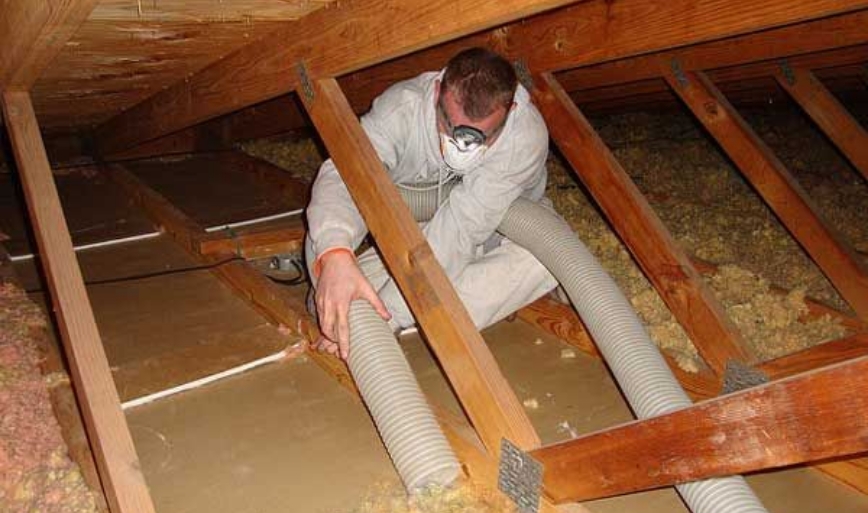
Professional extraction uses the same principles as DIY removal but with industrial-grade tools, controlled ventilation, and trained roofers who spot structural problems as they work. The difference is not just speed; it is knowing when to stop and repair.
Spray foam removal cost depends on the size of the loft, foam thickness and density, access, and whether structural repairs are needed. No honest provider can quote a single figure without seeing the property.
Pricing generally reflects:
| Factor | Why It Affects Cost |
|---|---|
| Loft size | Larger areas mean more manual labor |
| Foam density | Dense foam takes longer to cut and scrape |
| Bond strength | Foam fused to timbers is slower to remove |
| Access | Tight or awkward lofts slow the work |
| Repairs needed | Rotten timbers add repair time and cost |
| Certification | Mortgage certificates require documented inspection |
Spray foam insulation mortgage problems almost always come down to one issue: the lender cannot see the roof deck. Foam hides the timbers, so surveyors cannot confirm the roof is sound, dry, and free from rot. Faced with that uncertainty, many lenders decline, and equity release providers apply similar criteria.
This is the stage most guides skip, and it is the one that creates the biggest legal exposure for a homeowner. Spray foam does not go in a skip. It has to be classified, documented, and moved through a licensed chain, and the roof it came off has to be brought back up to current thermal and ventilation standards.
Cured polyurethane foam is generally treated as non-hazardous waste, but that classification is not automatic. Material becomes problematic when it is contaminated, soaked with water, fouled with rodent droppings or bird debris, or mixed with solvent residue from the cleaning stage.
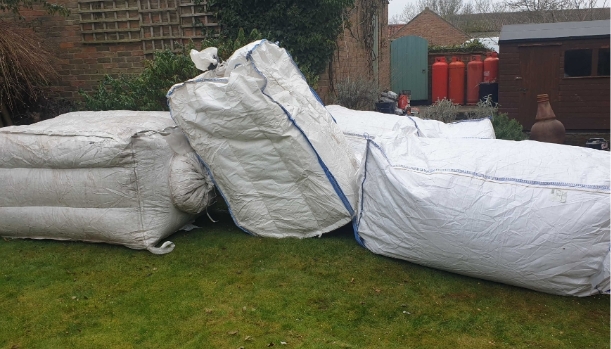
Under the Environmental Protection Act 1990 and the Waste (England and Wales) Regulations 2011, anyone producing waste has a duty of care to ensure it is stored, transported, and disposed of without harming the environment. In practice that means:
Polyurethane foam is petroleum-derived and does not biodegrade. Once cured, it is difficult to recycle because it is thermoset, it will not remelt like a thermoplastic. Most of it ends up in landfill or, where facilities exist, in energy-from-waste. That is one more reason removal should be a last resort rather than a default, and why the assessment stage matters so much.
Removing foam leaves a roof that no longer meets the thermal standard it was built to. If you are reinstating insulation, the new installation must comply with Part L of the Building Regulations (conservation of fuel and power), which sets minimum U-values for roof elements.
Once the deck is clean and inspected, the usual replacements are mineral wool (cheap, breathable, easy to fit), rigid PIR board (higher performance per millimetre, better where space is tight), and breathable membrane systems (suited to older or heritage roofs where trapping moisture is the main risk).
Your local authority building control team can confirm what the reinstatement needs to achieve. The Environment Agency can confirm waste classification and carrier registration. Both are free to contact and worth doing before work starts, not after.
No. Spray foam bonds aggressively to the roof deck, rafters, and sub-roof, so removal is slow manual work rather than a quick job. Cured polyurethane foam cannot be dissolved with a single chemical, and solvents like acetone or paint thinner only soften small patches. Most lofts need cutting, scraping, and mechanical extraction. Foam density, insulation thickness, and how long it has been in place all affect how difficult the spray foam removal will be.
WD-40 can loosen small, fresh splatters on tools or skin, but it will not remove cured spray foam from a roof deck. The foam has already cross-linked into a rigid plastic, so a lubricant has nothing to break down. For full loft insulation removal you need physical cutting and scraping, plus proper PPE. Relying on household sprays wastes time and leaves residue that can trap moisture against the timber.
For small, accessible patches in a well-ventilated space, careful DIY removal is possible with the right PPE. For full loft coverage, the dangers of DIY spray foam removal are significant: isocyanate exposure, respiratory irritation, falls through unsupported ceiling joists, and hidden structural damage. If your lender, buyer, or insurer needs an insulation certificate, only a certified contractor can issue one after professional spray foam extraction methods have been used.
Many lenders treat spray foam as a risk because it hides the roof deck, traps moisture, and can cause rot that is expensive to fix. Surveyors cannot confirm the condition of timbers underneath, so they flag the property as unmortgageable. Spray foam insulation mortgage problems are most common with open-cell foam applied directly to felt or breathable membranes. A certified removal and reinstatement report is usually what unblocks the application.
What Happens If You Don’t Remove Foam Insulation? Home What…

Property Value Impact of Spray Foam: 2026 Guide Home Property…
Spray Foam Removal Safety Standards: A Complete Guide Home Spray…