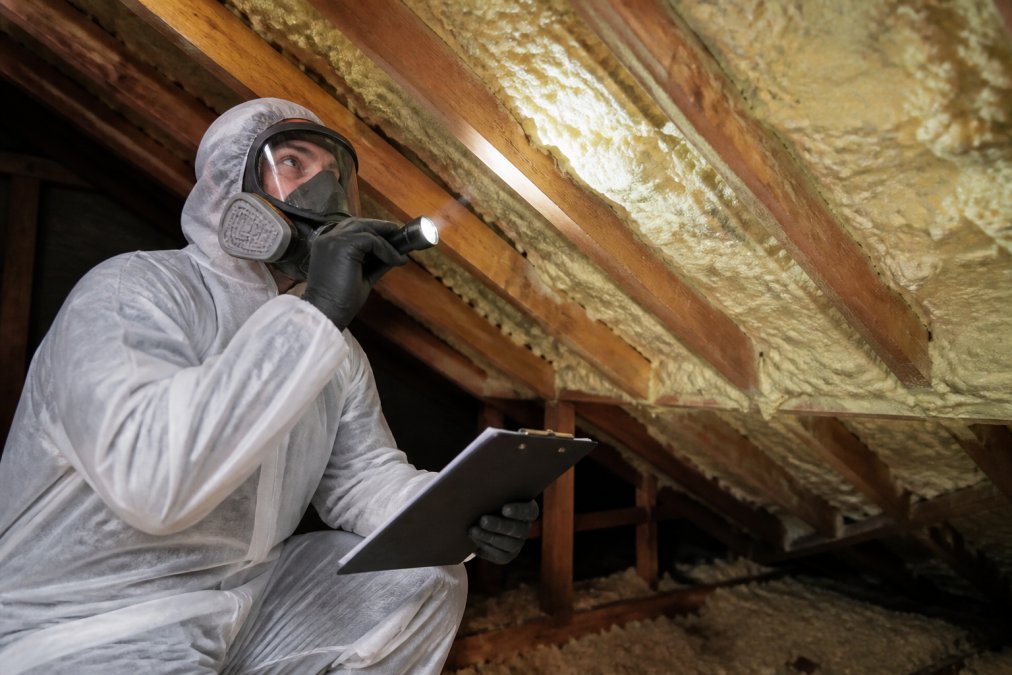
Spray foam removal is the controlled extraction of cured polyurethane insulation from the underside of a roof structure; roof replacement strips the covering and often the timbers beneath it. The two get quoted together because spray foam often hides the damage that makes a new roof necessary. At IUEX, we’ve handled over 3,600 successful projects.
Why the two jobs get confused: removal restores the roof space; replacement deals with the covering itself. Confusion creeps in because spray foam sits against the roof membrane, so any surveyor inspecting the foam also inspects the deck beneath it. If that deck is sound, you remove foam and stop. If it isn’t, the foam was never the problem.
Spray foam removal cost UK homeowners pay is driven by foam type, roof access, and disposal, not a flat rate. Two identical lofts can differ significantly because one is open-cell and the other closed-cell, or because one has a clear hatch and the other needs scaffolding.
The main cost drivers:
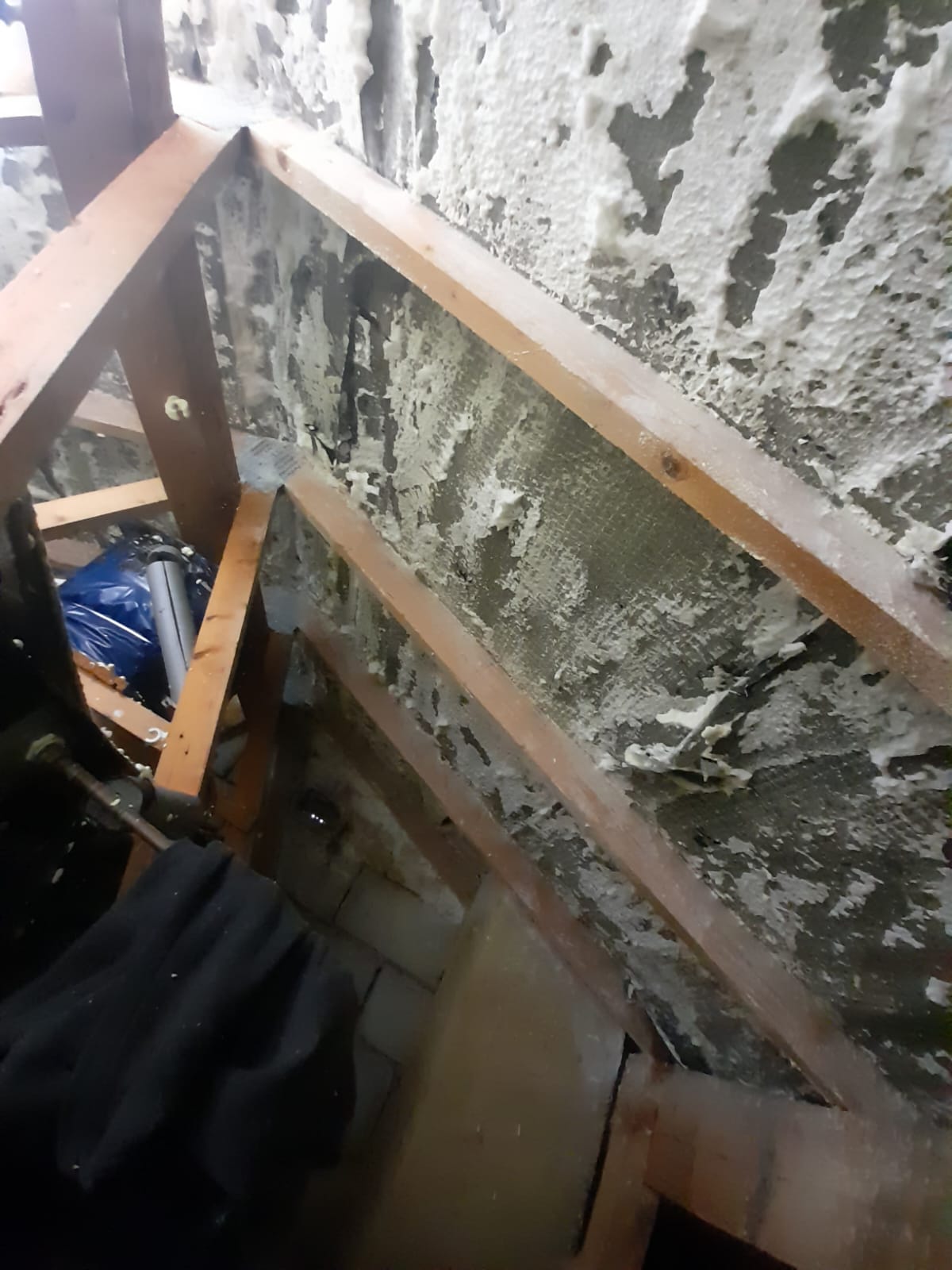
Open-cell vs closed-cell foam: open-cell foam is softer and easier to extract, so removal is faster. Closed-cell foam is rigid and bonded tightly to the rafters, requiring more careful cutting to avoid damaging the timber.
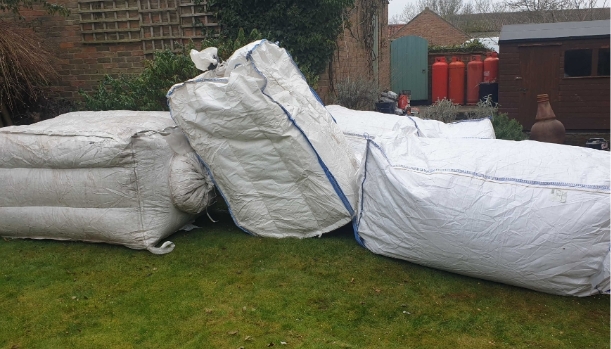
Access, disposal and skip hire: skip hire and hazardous waste disposal are the line items homeowners forget. Foam doesn’t compress, so a modest loft can fill multiple skips, and contaminated foam can’t go in a standard skip. Access is the other silent cost: no clear hatch or a fragile ceiling adds labour before extraction starts.
A new roof becomes unavoidable when the structure beneath the foam has failed, not simply because foam is present. Signs include sagging roof lines, cracked or slipped tiles, daylight through the deck, and damp that returns after ventilation work.
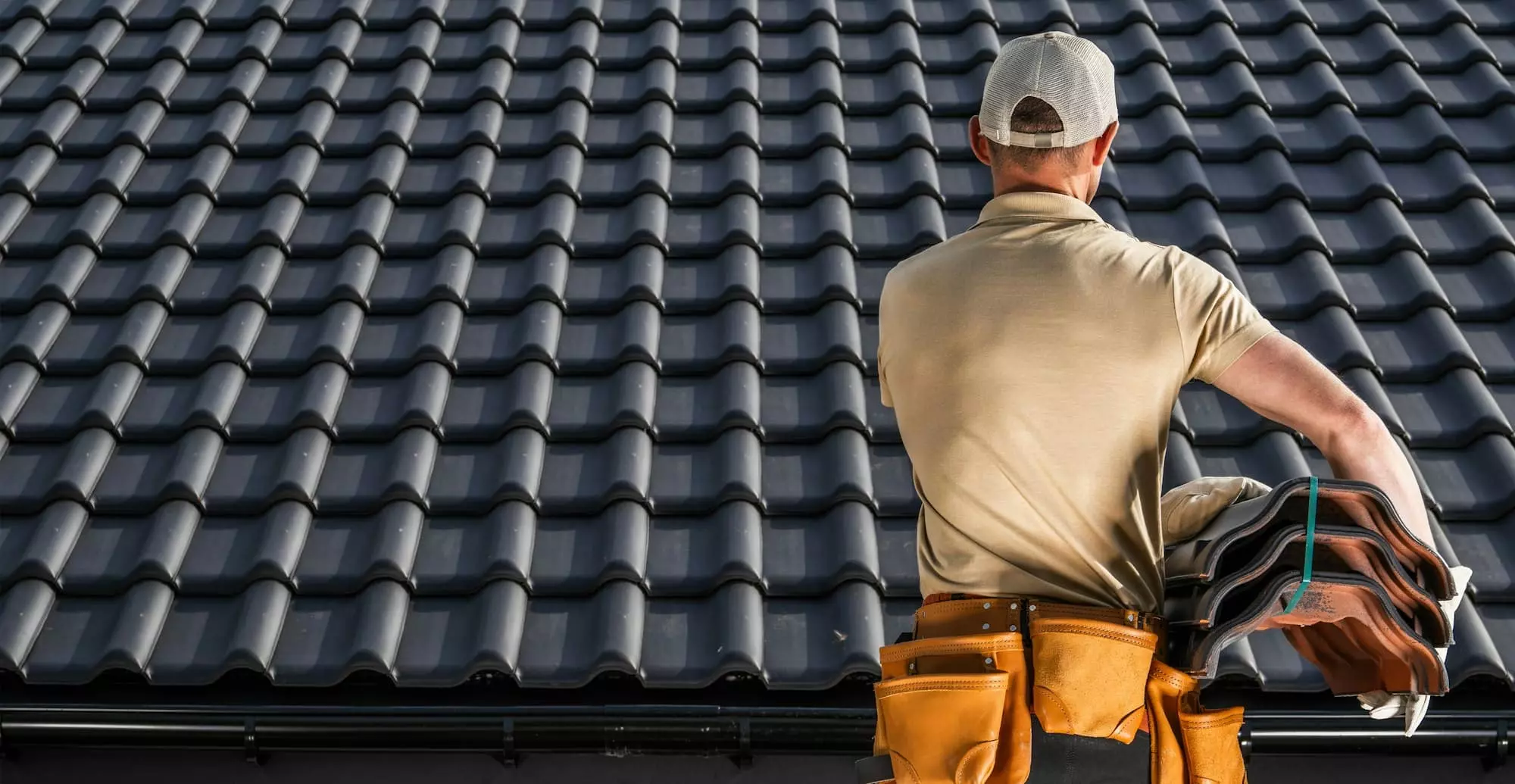
What a replacement actually costs: replacement is priced per square metre of roof plan area, and the covering drives most of the spread. Most contractors quote in these bands:
| Roof covering | Typical cost per m² (supply and fit) | Typical lifespan |
|---|---|---|
| Concrete interlocking tile | £70-£110 | 50+ years |
| Clay tile | £90-£150 | 60+ years |
| Natural slate | £120-£220 | 75-100 years |
| Metal standing seam | £100-£180 | 40-60 years |
| GRP/felt flat roof | £60-£120 | 20-30 years |
On top of the covering, budget for:
Before committing to removal or replacement, work through this checklist. Answer “yes” to the first four and “no” to the last three, and removal plus re-insulation is usually viable.
Removing spray foam restores breathability but also removes the insulation layer keeping heat in. A foam-removed roof with no replacement insulation loses significantly more heat than the foam retained, the difference can be noticeable on energy bills within the first winter.
Mortgage lender requirements for spray foam are strict because lenders treat foam as a risk to breathability and future value. Many decline a property outright when spray foam is present, or demand evidence it has been professionally removed and the roof assessed.
Why lenders reject spray-foamed roofs: lenders aren’t judging thermal performance. They’re worried about moisture entrapment, hidden timber decay, and a valuation they can’t stand behind. A surveyor can’t properly inspect a deck sealed under foam, so the risk gets priced as a rejection.
Is spray foam insulation worth removing depends on three things: whether you need to sell, remortgage, or convert the loft; whether the foam is causing damp or decay; and whether it was installed correctly.
DIY removal is the biggest mistake we see. Foam dust irritates lungs and skin, some foams release hazardous particles when cut, and the wrong tool damages the very rafters you’re trying to save.
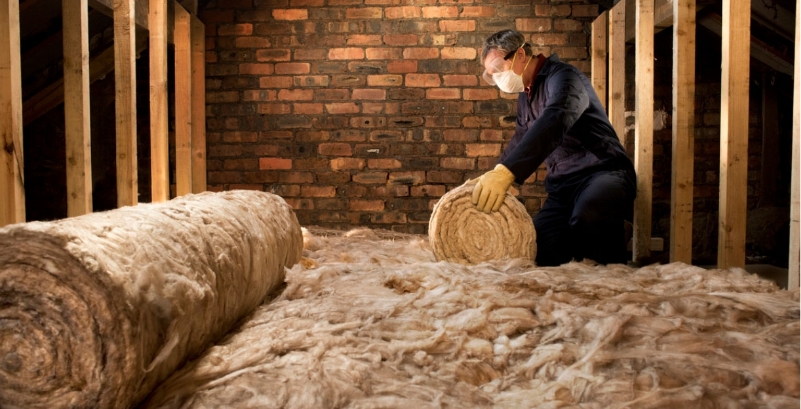
The professional process is methodical:
Use this to frame the conversation before you get quotes. The matrix maps common situations to a likely solution, a rough cost anchor, and why the decision usually falls that way.
| Situation | Likely solution | Typical cost anchor | Why |
|---|---|---|---|
| Sound roof, open-cell foam, no damp, no sale planned | Removal + re-insulation | Pricing depends on quantity, dates, and delivery | Restores breathability at lower cost |
| Sound roof, closed-cell foam, lender refusal or remortgage | Removal + certificate | Pricing depends on quantity, dates, and delivery | Satisfies mortgage criteria |
| Rotten rafters or failed membrane | Removal + partial or full replacement | Pricing depends on quantity, dates, and delivery | Foam was masking structural failure |
| Loft conversion planned | Removal + structural survey | Removal plus survey | Conversion needs exposed, sound timbers |
| Contaminated foam (rodents, water) | Removal + sanitisation | Removal plus disposal costs | Health risk and disposal rules |
| Foam under 10 years old, open-cell, dry, ventilated | Monitor, no immediate action | No immediate cost, survey cost later | Removal may not be urgent |
How to use the matrix: work through it in order.
The three questions that settle it, if the matrix feels like too much:
Do roofers remove spray foam insulation?
Yes, but only specialist contractors should do it. Removing spray foam means scraping it from the roof rafters without damaging the timber or roof membrane underneath. A trained roofer can assess whether the rafters have suffered moisture entrapment or timber decay, and certified firms can issue the Mortgage and Equity Release certificate lenders ask for after the work is finished. General builders without that certification rarely satisfy a lender’s criteria.
Can I get a mortgage if I have spray foam insulation?
Many lenders treat spray foam as a risk because it can trap moisture against the roof membrane and hide timber decay. Some will lend if a qualified specialist confirms the foam is open-cell and the roof is sound; others refuse outright. A structural survey and a removal certificate from a certified contractor usually resolve the issue. Always check the specific lender’s criteria before making an offer on a property.
Is it cheaper to remove spray foam or replace the entire roof?
Removal alone is almost always the lower-cost route because it targets the insulation, not the roof structure. Replacement becomes necessary when the survey finds rotten rafters, failed roof membrane or widespread timber decay that removal would expose. In those cases strip-and-rebuild of the roof covering is unavoidable. A professional assessment, not a phone quote, is the only reliable way to know which applies to your property.
How does spray foam affect the structural integrity of a roof?
Closed-cell foam bonds tightly to timber and roof tiles, restricting ventilation and trapping condensation. Over years that moisture can rot rafters and battens, weaken the roof membrane and cause tiles to lift. Open-cell foam is more breathable but still causes problems when installed incorrectly. A structural survey will confirm whether the timber is sound or whether removal needs to be followed by re-roofing work.
Spray foam removal and roof replacement are only tangled together when the roof is genuinely failing. Most homeowners need the removal, a proper timber assessment, and the certification that unblocks their lender. IUEX restores thermal efficiency and structural integrity, resolves damp, and issues the Mortgage and Equity Release certificates that get funding approved, backed by a 100% approval rate. Get a quote from IUEX and move your property forward with confidence.
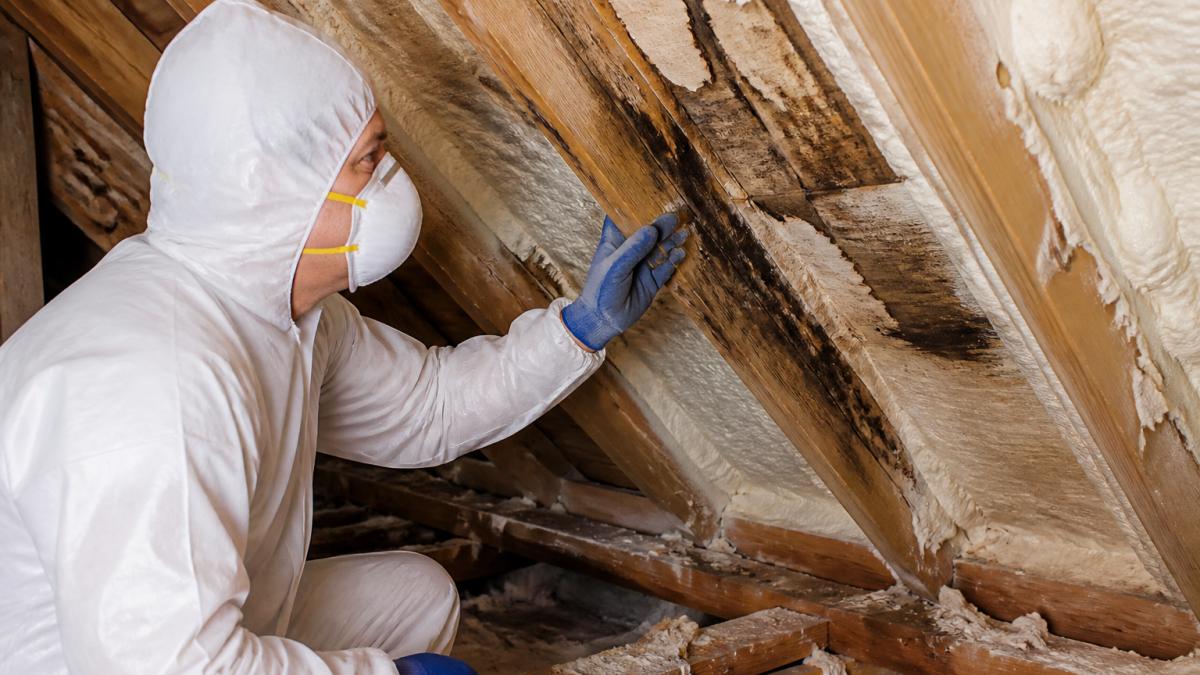
What Happens If You Don’t Remove Foam Insulation? Home What…
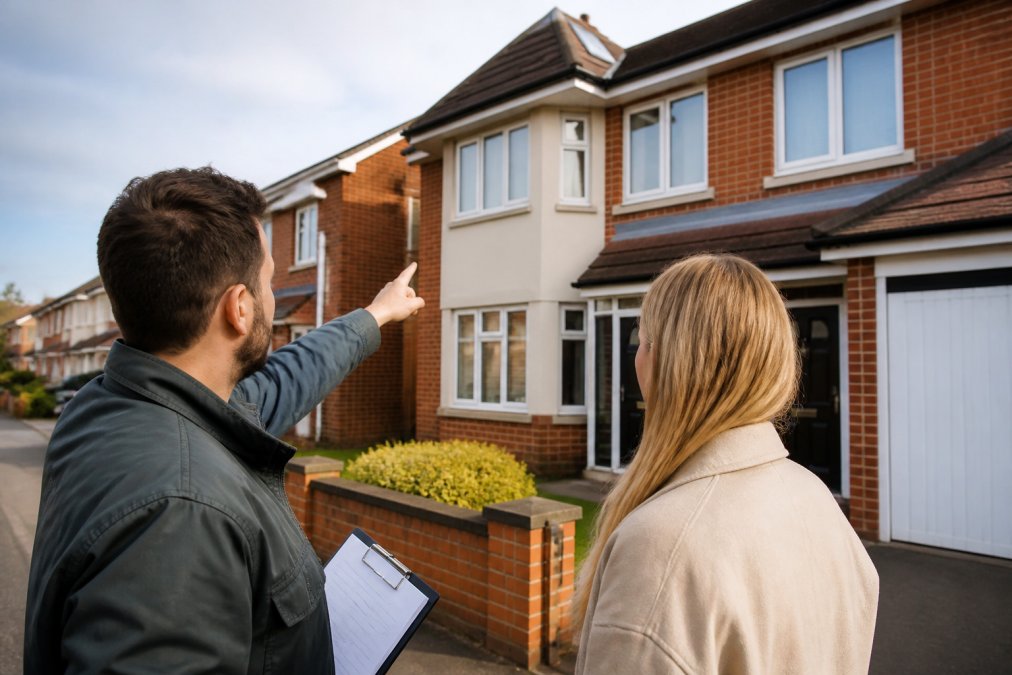
Property Value Impact of Spray Foam: 2026 Guide Home Property…
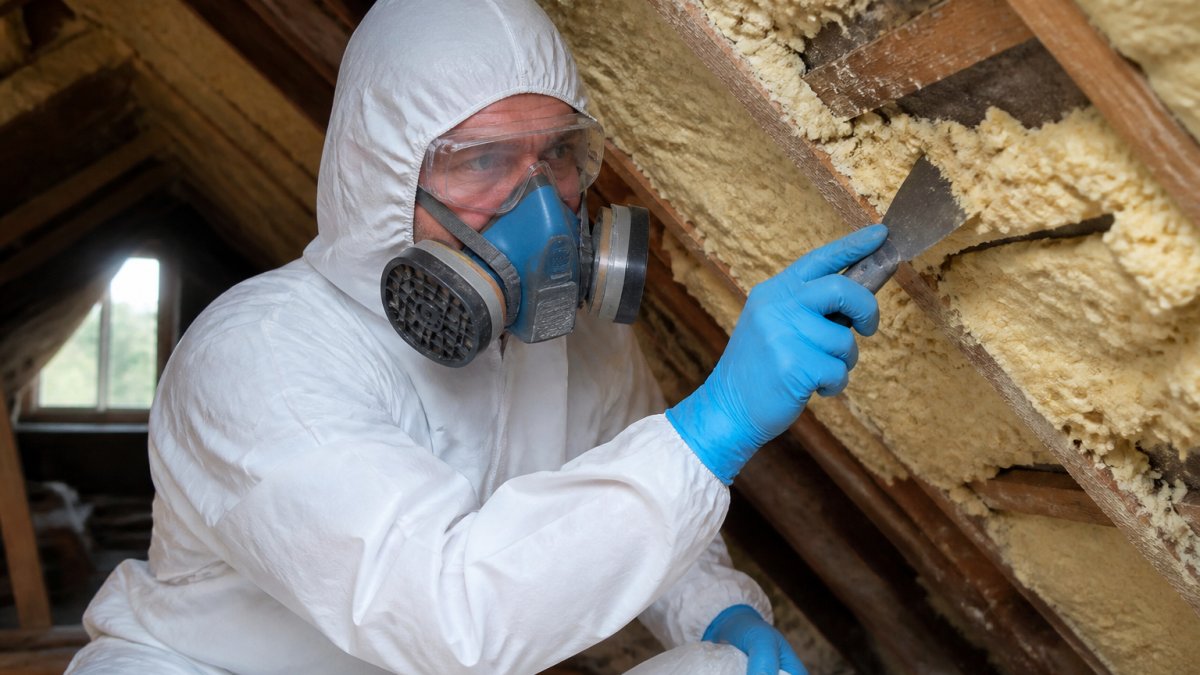
Spray Foam Removal Safety Standards: A Complete Guide Home Spray…


For a hassle free simple Spray Foam Removal solution,with gaurantees for Mortgage acceptance. With a All inclusive fully comprehensive solution as standard. iuex.co.uk is un rivaled in this industry.
With Offices.
– Lewes – Devon
– Birmingham – Edinburgh
– Leeds – Cambridge
– Macclesfield
– Northern Ireland
– Wokingham