Lenders reject applications because spray foam insulation mortgage issues create genuine structural and financial risk, a calculated response to real problems affecting property value and mortgageability.
When a surveyor flags spray foam during a mortgage valuation, the lender faces a straightforward decision: the property’s condition is uncertain. Spray foam can trap moisture inside roof timbers, mask rot, and prevent proper ventilation. A lender cannot issue a mortgage on a property where structural integrity is unknown.
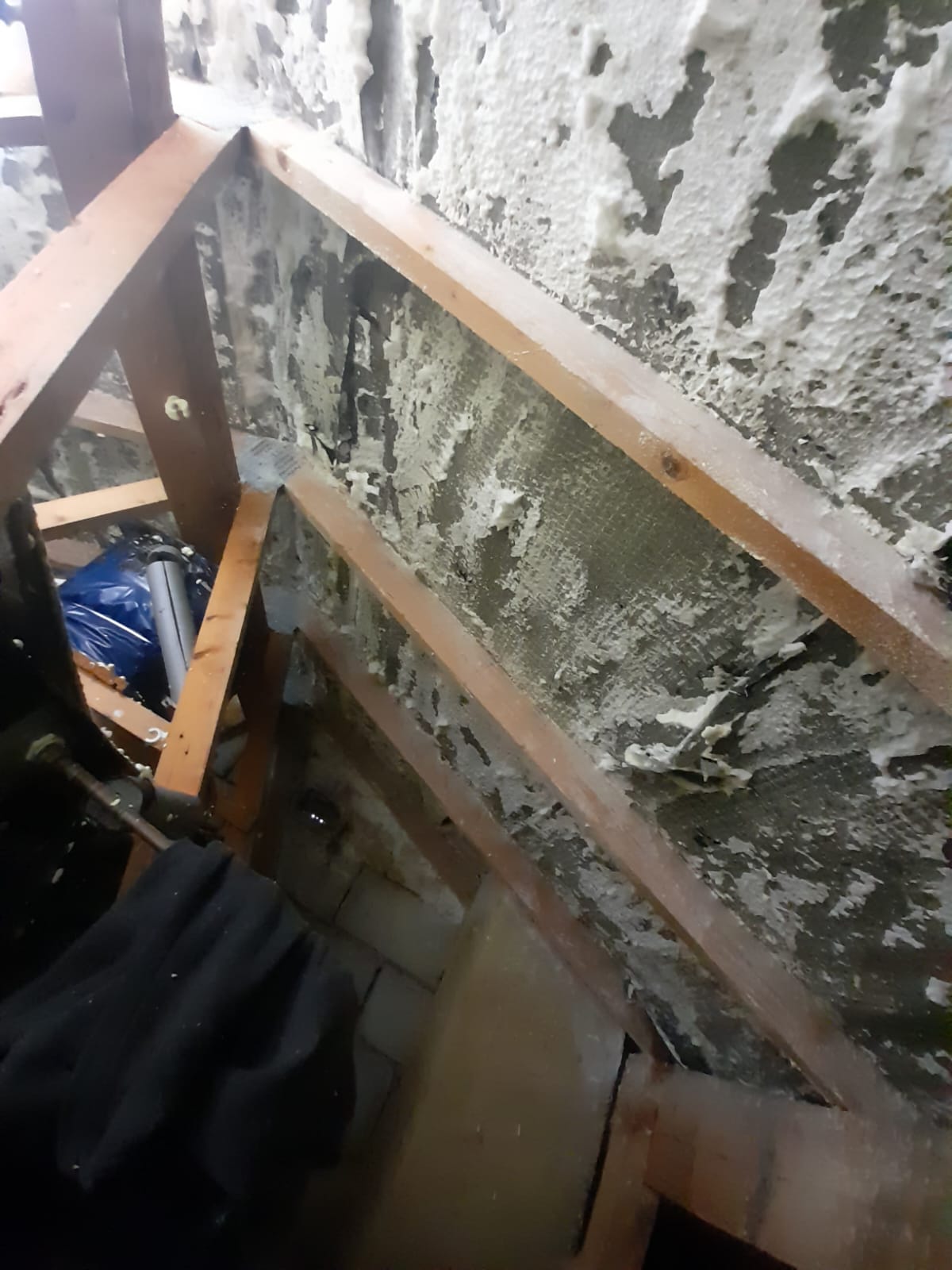
The core issue is that once spray foam is installed, future inspectors cannot see what’s underneath. Water trapped behind the foam allows timber decay to progress unseen for years. By the time damage becomes visible, repair costs are substantial. A lender won’t take that risk.
Lenders have three specific concerns when they see spray foam insulation on a mortgage application.
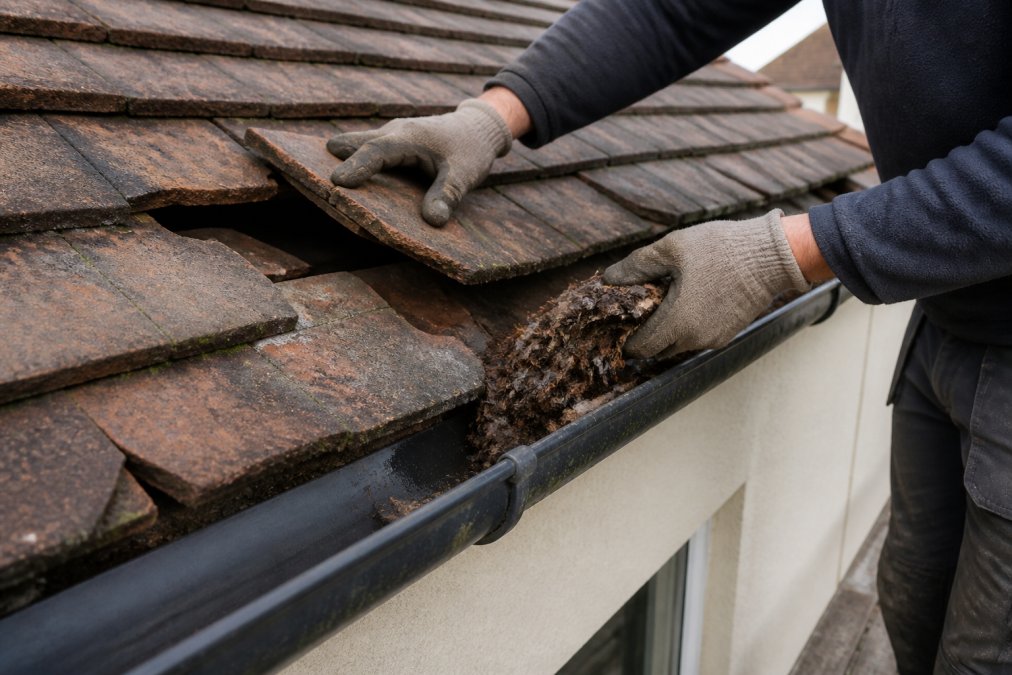
Spray foam, particularly open-cell varieties, absorbs and retains moisture. When rain penetrates the roof or condensation forms in the loft, that moisture gets trapped within the foam and against timber below.
When moisture is locked in place, fungal growth begins and dry rot thrives in damp, unventilated spaces. A surveyor examining a property with spray foam cannot tell whether rot is already present.
Trapped moisture leads directly to timber decay. Roof timbers are structural elements; if they rot, the entire roof system weakens and structural failure becomes possible.
A property with compromised roof timbers loses value immediately. Repair costs are substantial, and lenders will not lend against a property they cannot fully inspect.
Surveyors downvalue properties with spray foam insulation to reflect removal costs plus potential repairs. A property valued at £400,000 might be revalued at £360,000 once spray foam is identified.
This directly affects your equity release amount, as lenders calculate the maximum release based on property value.
Future buyers will face the same problem, making the property harder to sell and further depressing valuation.
You need independent evidence that your roof structure is sound. A surveyor’s report documenting timber condition beneath or adjacent to the spray foam gives lenders the confidence they need.
Contact a surveyor specialising in timber and structural assessment. Request a focused inspection addressing timber condition, moisture levels, ventilation adequacy, and signs of previous water ingress. The surveyor should produce a written report confirming structural integrity for your application resubmission.
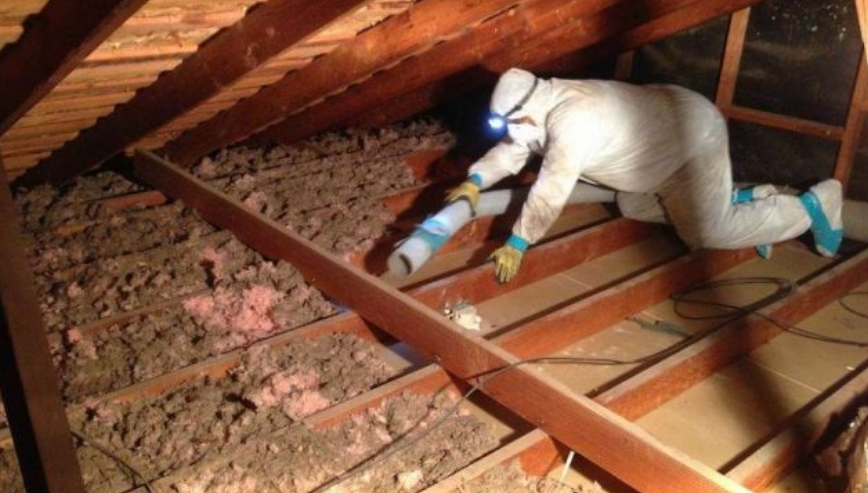
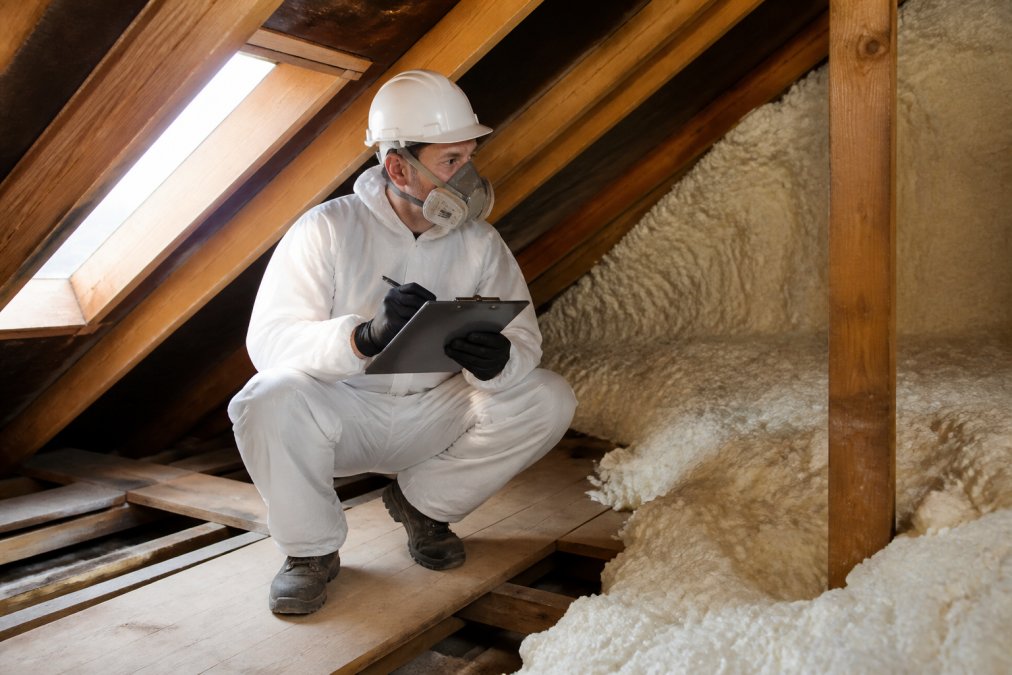
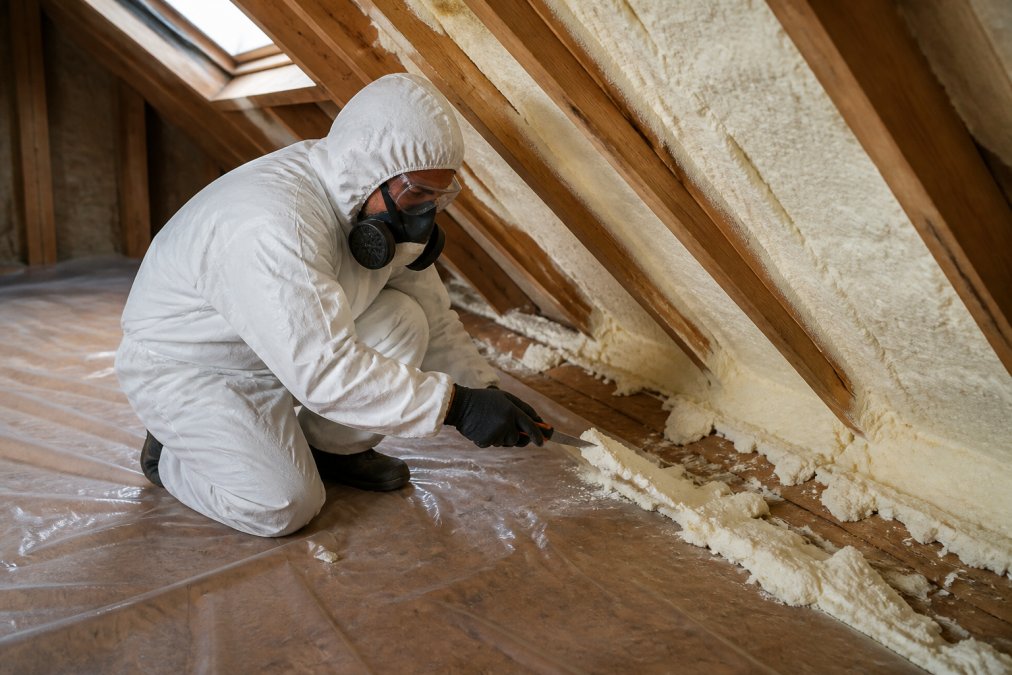
Removing spray foam is not a DIY task. You need certified professionals who can extract the foam safely and issue documentation that lenders will accept.
BBA (British Board of Agrément) certification is the gold standard for building products and installation methods in the UK.
Before arranging removal, establish whether your original spray foam installation was carried out to recognised standards, as this influences whether lenders will accept removal.
Check your installation documentation. Your original installer should have provided a completion certificate or invoice naming the installer and installation date, specification details (foam type, density, coverage area), and any guarantee or warranty documentation.
Verify the installer’s credentials.
Understand the difference between compliant and non-compliant foam. Lenders distinguish between authorised installations (carried out by a registered contractor with documentation) and unauthorised installations (carried out by unregistered contractors or lacking documentation). Authorised installations are easier to remediate because lenders recognise the original work was professionally overseen.
Your removal contractor should provide a Mortgage and Equity Release Certificate upon completion, confirming the foam has been completely removed, removal was carried out to industry standards, the loft space is now suitable for mortgage purposes, and any damage has been documented and remediated. Lenders require this certificate before proceeding.
When requesting removal quotes, explicitly ask: “Will you provide a Mortgage and Equity Release Certificate?”
Removal costs vary based on loft size, foam density, and accessibility. Request quotes from certified removal specialists, comparing credentials and transparency about professional extraction, safe disposal, and lender-acceptable certification.
Before committing to removal, conduct a structured financial comparison.
Step 1: Establish your current equity release potential without removal. Contact your lender and ask: “What is the maximum equity release amount I can access given the spray foam issue?” Some lenders will offer a reduced amount rather than outright rejection. If your lender refuses any amount, ask whether they would reconsider if foam were removed.
Step 2: Obtain removal quotes and calculate net cost. Collect at least three quotes from certified removal contractors itemising foam extraction, disposal costs, minor restoration, and certification.
Step 3: Request a post-removal valuation estimate from your lender. Ask your lender’s surveyor: “If the spray foam is professionally removed and certified, what valuation would you assign to the property?” The difference from your current valuation is your potential equity gain.
Step 4: Calculate your equity release increase. Equity release providers typically allow you to release 20-50% of your home equity. If your equity increases by £30,000, your accessible equity release amount increases proportionally.
In this scenario, removal is financially justified.
Step 5: Compare against alternative funding. If removal cost exceeds the equity release benefit, consider a personal loan (5-8% APR), remortgaging with a different lender (some are more lenient on spray foam), or delaying removal until you’ve saved more.
Key TakeawayThe decision framework: If removal cost is less than 50% of the equity gain, removal is financially sound. If removal cost exceeds the equity gain, explore alternative funding first.
Scenario A: Strong case for removal, Removal cost (£5,500) is less than equity gain (£25,000). Proceed with removal.
Scenario B: Weak case for removal, Removal cost (£6,000) exceeds equity release benefit (£1,750). Consider personal loan or remortgage instead.
Scenario C: Borderline case, Removal cost (£5,200) is close to equity gain (£12,000). Request written lender commitment that they will approve post-removal before paying for removal.
Obtain written confirmation from your lender that they will approve your equity release application once removal is complete and certified. This removes the risk of paying for removal only to have the lender impose new conditions.
Ask your lender: “Will you provide a letter confirming that, subject to satisfactory removal certification and a post-removal survey, you will approve my equity release application?” Many lenders will commit in writing if you’ve already been through an initial assessment.
Once removal is complete and you hold the removal certificate, resubmit your application to your original lender or approach a different lender.
Your resubmission package should include a professional surveyor’s report, spray foam removal certificate, photographs of the completed loft, and updated property valuation. The combination of surveyor confirmation and removal certification removes the primary barrier to approval.
Removing spray foam may expose water stains, minor rot, or previous damage.
Before removal, ask your contractor: “What happens if you find damage during extraction?” A reputable company will document damage and provide remediation guidance. Contact your home insurer before removal to understand coverage for weather-related damage.
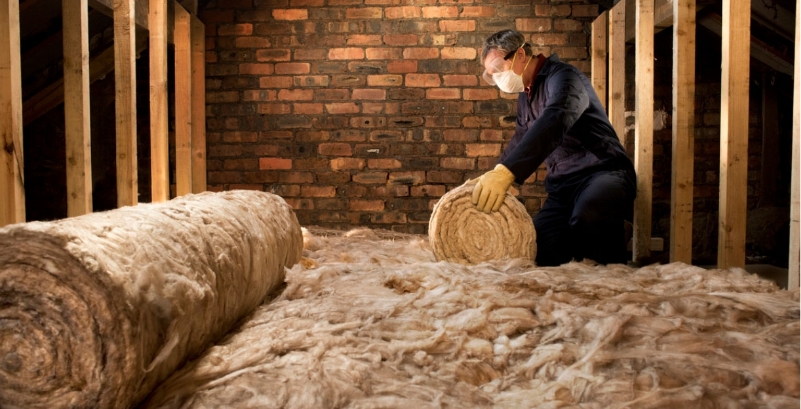
After removal, plan for alternative insulation. Mineral wool, blown fibre, or rigid board insulation can restore thermal performance without the moisture-trapping risks of spray foam.
Choosing the cheapest removal quote. Budget removal companies may lack proper certification, forcing you to pay twice.
Removing foam without a surveyor report first. Get surveyor confirmation of soundness before extraction begins to avoid discovering structural damage that requires expensive repairs.
Not verifying the removal company’s credentials. Ask to see insurance documentation and references from previous mortgage and equity release applications.
Assuming all lenders will accept removal. Some lenders have specific requirements about removal standards or certification. Confirm your lender’s requirements before paying for removal.
Delaying the application resubmission. Once removal is complete, resubmit promptly.
Mortgage lenders typically reject spray foam insulation because of concerns about moisture retention, roof timber damage, and structural integrity. Many lenders view it as a material risk to the property’s long-term value. However, if your application was rejected, professional removal followed by a surveyor’s report and removal certification can restore mortgageability and allow resubmission.
Professional spray foam removal certification from a trained, accredited specialist demonstrates to lenders that the insulation has been safely extracted, the roof structure has been assessed for damage, and the property meets building regulations. This certification provides the documented evidence lenders need to reconsider your application.
The cost of spray foam removal varies based on loft size, foam density, and the extent of any structural work needed. Rather than a fixed price, costs depend on the specific scope of your property. The investment typically pays for itself through restored property valuation, successful mortgage or equity release approval, and the ability to proceed with future plans like loft conversions. Many homeowners find it essential to unlock equity or secure financing that would otherwise be impossible.
Removal may reveal timber decay or damp damage that was concealed by the foam. This is actually beneficial because it allows you to address issues before they worsen and before lenders discover them during a fresh survey. A professional removal team will document any damage found, and you can arrange targeted repairs. This transparency often strengthens your mortgage or equity release application because lenders see that problems have been identified and remedied, rather than hidden.
Spray foam rejection isn’t permanent. Professional removal, certified extraction, and surveyor documentation combine to restore your property’s mortgageability. IUEX has completed over 3,600 successful projects and maintains a 100% approval rate for mortgage and equity release applications post-removal. We’re fully certified to issue the Mortgage and Equity Release certificates your lender requires. Get a quote today and move forward with confidence.
Equity Release Rejected: How to Fix Spray Foam Issues Home…
How to Remove Spray Foam Insulation: Step-by-Step Guide Home How…