A spray foam removal quote is your pathway to mortgage approval and structural peace of mind. Lenders reject properties with spray foam insulation because of unknown risks: moisture buildup, condensation, structural damage, and thermal efficiency problems from improper installation.
A certified quote identifies what’s happening in your loft, quantifies the work required, and produces documentation lenders accept.
The difference between a rejected quote and one that unlocks funding depends on whether the specialist understands what lenders need. Many homeowners discover this after paying for work that doesn’t satisfy their lender’s requirements.
Pro TipBefore accepting any quote, ask whether the contractor is certified to issue Mortgage and Equity Release certificates. Not all removal specialists can, and if yours can’t, you’ll need to hire a separate surveyor to verify the work, which doubles your costs.
Spray foam removal certification requirements vary by lender, equity release plan, and transaction type. Understanding your specific situation prevents wasted money and delays.
What lenders actually look for in a removal certificate:
A completion certificate confirms that spray foam was professionally extracted, the structure was assessed for damage, and the property is safe for mortgage or equity release. Lenders need evidence that someone with proper training, equipment, and insurance did the work.
The certification process includes a pre-removal survey, photographic evidence during extraction, and a final inspection. This documentation becomes part of your property’s permanent record.
Different lenders have different expectations. Some require specific accreditation; others accept removal from any competent contractor if properly documented. Equity release lenders are stricter because they’re lending against your home’s future value.
Watch OutRemoving spray foam without professional certification and then trying to get a surveyor to sign off afterwards often fails. Lenders suspect the work wasn’t done properly if it wasn’t supervised from the start. Do the certification right from the beginning.
Loft size and foam coverage drive primary cost. Specialists assess square footage and depth to calculate labour hours.
Foam type and density matter because different formulations require different extraction methods. Older foam types flagged as hazardous trigger additional safety protocols and disposal costs.
Structural condition underneath affects final price. A pre-removal survey reveals rot, water damage, or compromised timber before work starts.
Access and working conditions influence labour time. Cramped spaces or those requiring scaffolding increase costs.
Waste disposal and environmental protocols add cost. Contaminated foam requires more complex disposal.
Get multiple quotes to spot realistic pricing. Significantly lower quotes may indicate corner-cutting; significantly higher quotes should be justified.
Mortgage approval hinges on your lender’s confidence that the property is safe. Spray foam removal follows a specific process to provide that confidence.
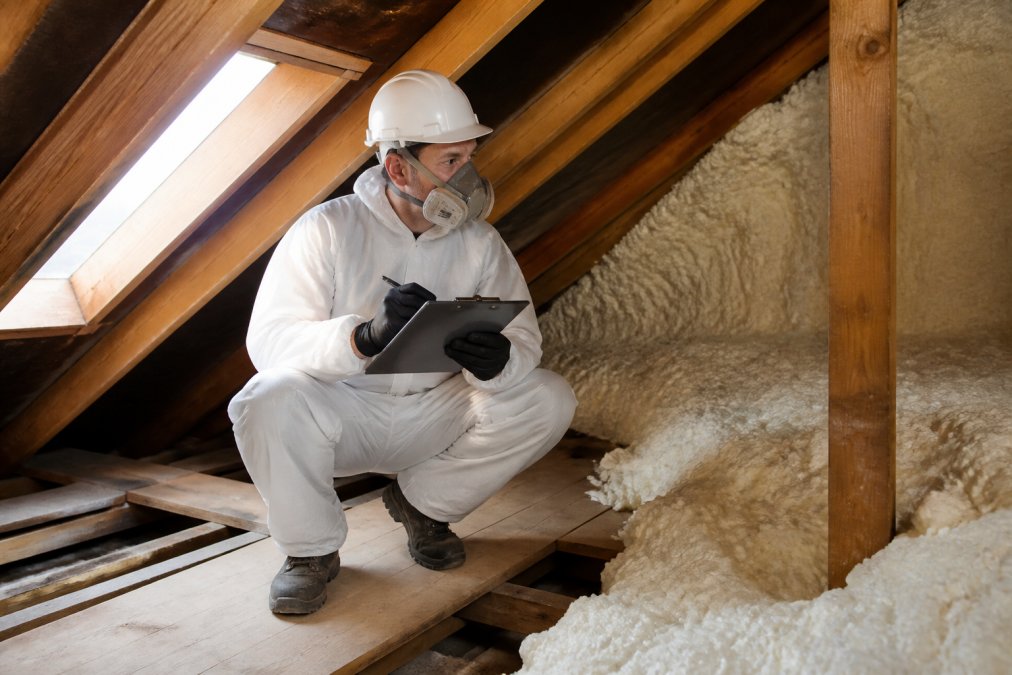
Step 1: Pre-removal survey and assessment. A qualified specialist inspects the loft, documents the foam’s extent, takes photographs, and assesses the underlying structure. This survey becomes part of your quote and your project record. The specialist identifies any visible damage, moisture issues, or ventilation problems that need addressing.
Step 2: Lender approval of the removal plan. Submit the survey and removal plan to your lender before work begins. This prevents surprises about whether your lender will accept the work.
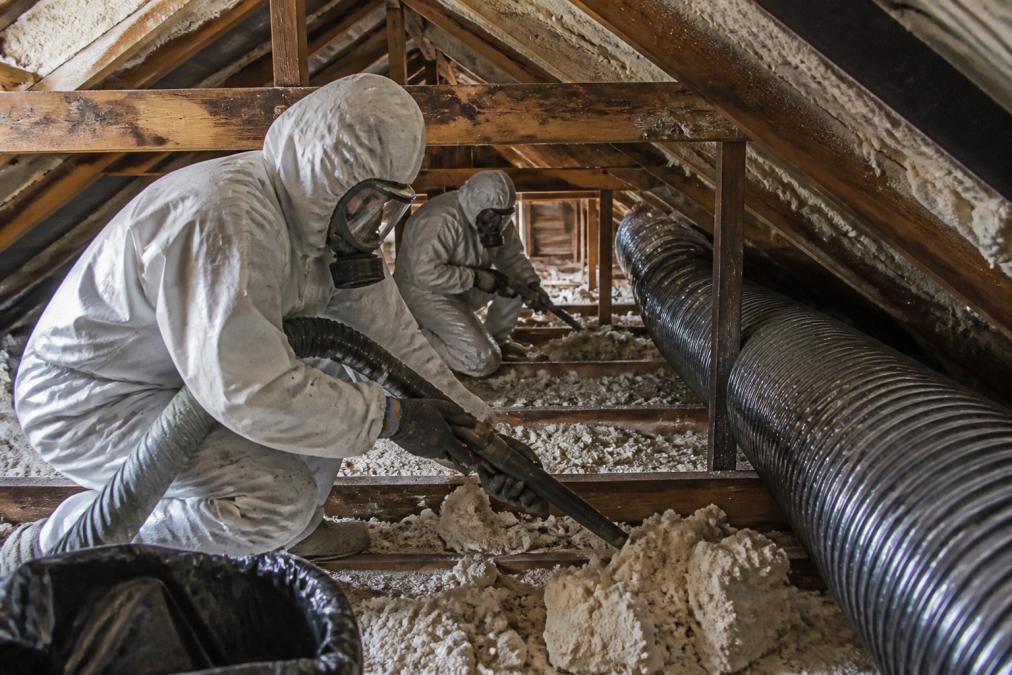
Step 3: Professional extraction with documentation. The team extracts foam systematically, photographing key stages to prove professional completion. Structural issues are documented.
Step 4: Post-removal inspection and certification. Once the foam is gone, the specialist inspects the exposed structure, identifies any damage requiring repair, and issues a completion certificate. This certificate confirms that removal was done to professional standards and the property is now suitable for mortgage purposes.
Step 5: Submission to lender. You provide the completion certificate, inspection photos, and any remedial work reports to your lender. Most lenders then approve the property for mortgage purposes, or approve it conditionally pending specific repairs.
This process typically takes 2-4 weeks. Rushing risks getting a certificate your lender won’t accept.
Key TakeawayThe key difference between a removal that satisfies your lender and one that doesn’t is whether the work was supervised and documented from the start. DIY removal or work from an uncertified contractor almost never satisfies mortgage requirements.
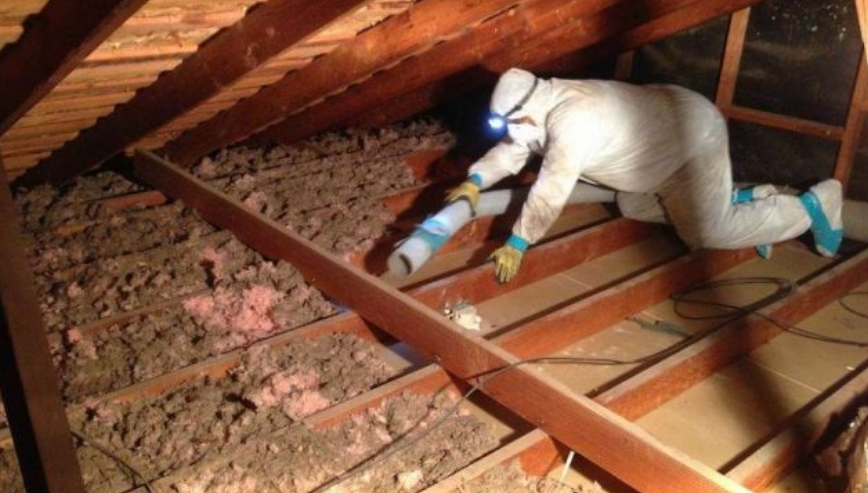
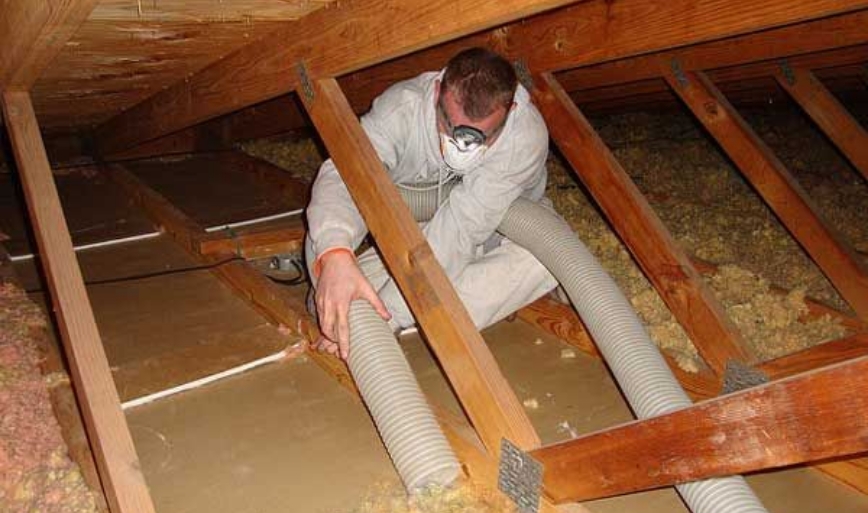
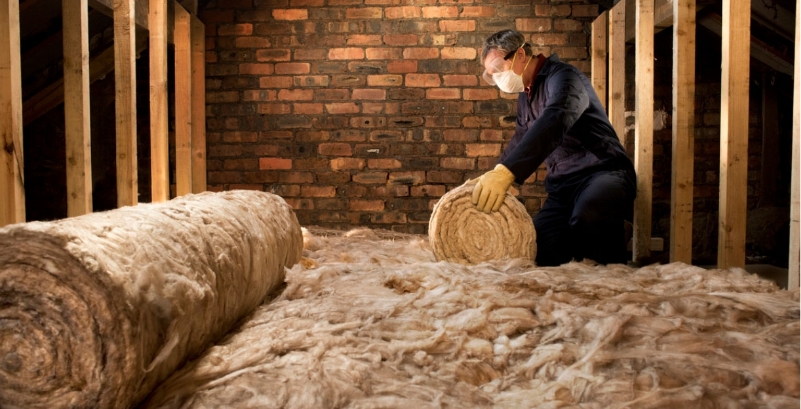
Phase 1: Preparation and safety setup. The team establishes safe working conditions with ventilation to extract dust and particles, protective coverings, and adequate lighting.
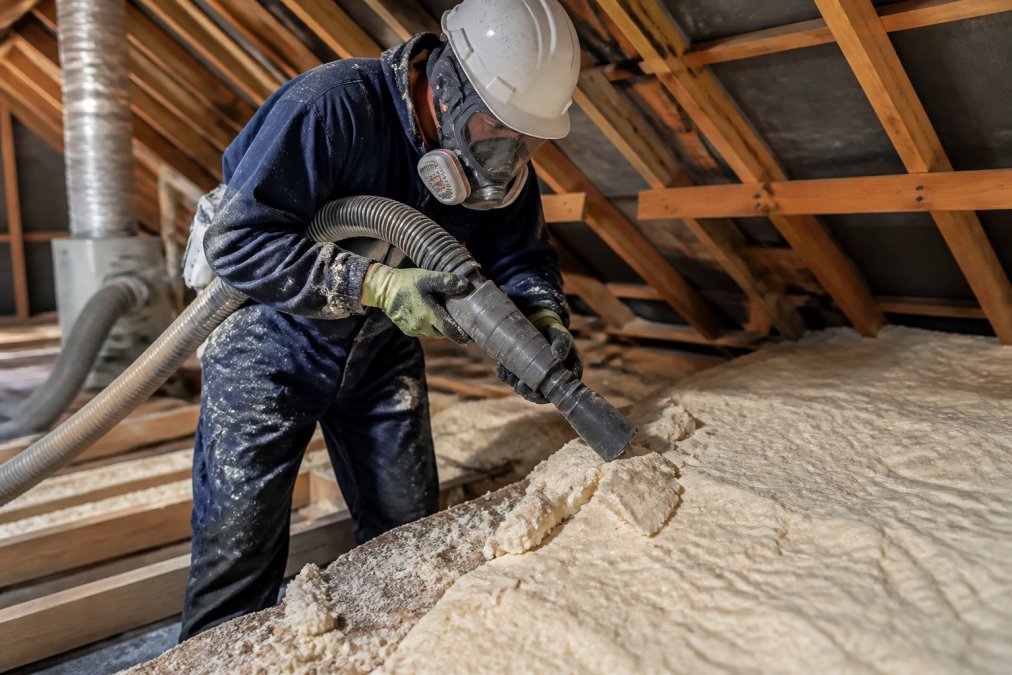
Phase 2: Systematic foam extraction. The team removes foam using appropriate tools, scraping, cutting, or dissolving, depending on foam type and structure. Careful extraction prevents damage to rafters and joists.
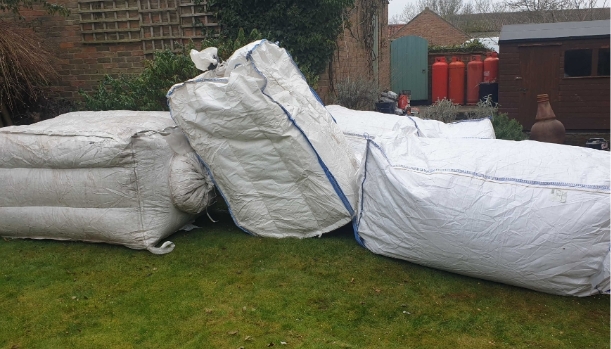
Phase 3: Debris removal and site clearance. Removed foam and debris are collected, bagged, and prepared for disposal. This phase is labour-intensive but essential, leaving foam fragments behind defeats the purpose of removal.
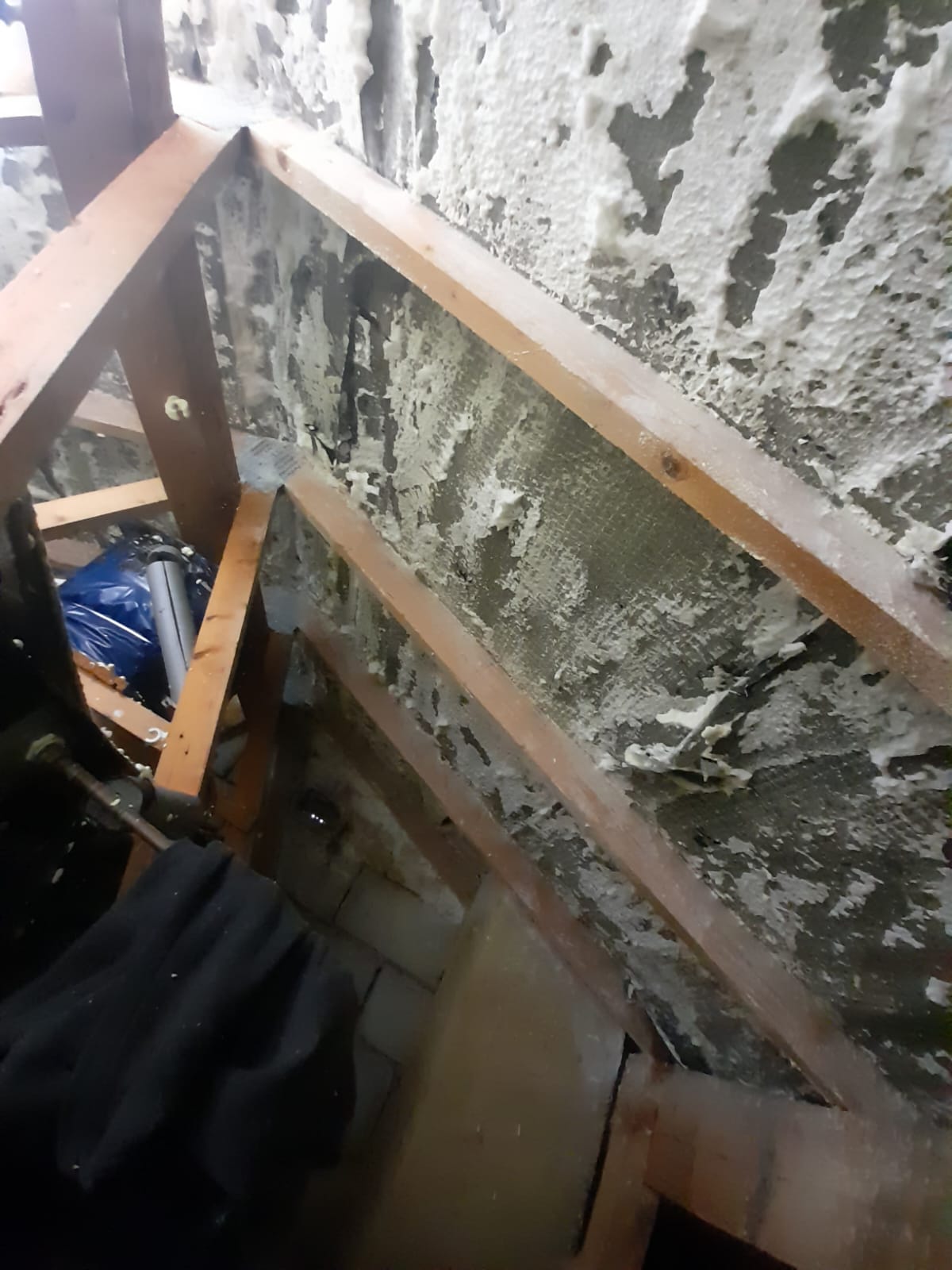
Phase 4: Structural inspection. Once the foam is gone, the specialist inspects the exposed timber, insulation, and structural elements. They look for rot, water damage, pest damage, and ventilation issues. Any problems are documented and assessed for repair requirements.
Phase 5: Remedial work (if needed). If inspection reveals damaged timber or structural concerns, remedial work is completed before the property is certified. This might include replacing rotted joists, treating affected areas, or improving ventilation.
Phase 6: Reinstatement and certification. The loft is tidied, temporary protections are removed, and the specialist issues a completion certificate documenting what was removed, what condition the structure is in, and what work was completed.
The entire process typically takes 3-7 days depending on loft size and structural findings.
Not all removal contractors are equal. The difference between a qualified specialist and an uncertified operator affects whether your lender will accept the work, whether the job is done safely, and whether hidden damage gets properly addressed.
Look for specific credentials. A qualified removal specialist should be able to demonstrate training in spray foam extraction, safety protocols, and structural assessment. They should carry appropriate insurance covering public liability and professional indemnity. Ask for evidence of their qualifications, not just verbal assurance.
Ask about certification authority. Who certifies them to issue completion certificates? Are they accredited by a recognized body? How long have they held their certification? A specialist who’s been certified for 10+ years has more experience than one newly qualified.
Request references and recent projects. A good specialist will provide contact details for recent clients, particularly those who faced mortgage or equity release challenges. Speaking to homeowners who’ve already been through the process with them is invaluable. Ask specifically whether their lender accepted the completion certificate without requiring additional work.
Verify insurance and legal compliance. Ask to see proof of public liability insurance and employer’s liability insurance if they have staff. Confirm they’re registered for tax purposes and operate legitimately. A contractor who won’t provide this information is a red flag.
Assess their understanding of lender requirements. During your conversation, do they ask questions about your specific lender and situation? A specialist who treats all jobs the same way likely doesn’t understand that different lenders have different requirements. The best specialists tailor their approach to your specific needs.
Check their experience with your specific situation. If you’re dealing with mortgage rejection, ask whether they’ve worked with your lender before. If you’re planning equity release, ask whether they understand equity release lenders’ requirements. If you’re managing damp issues, ask how they assess and address moisture problems during removal.
IUEX has spent over 15 years building expertise in exactly these scenarios. The team understands what different lenders need, how to document work properly, and how to identify structural issues before they become expensive problems.
When you request a spray foam removal quote, you’re initiating a process that should include more than just a price. A thorough quote includes assessment, documentation, and clarity about what’s included and what isn’t.
What a proper quote should include:
A detailed description of the work, specifically, how much foam will be removed, what method will be used, and what structural assessment will be performed.
Red flags in a quote:
| Element | What to Look For | Why It Matters |
|---|---|---|
| Pre-removal survey | Detailed assessment with photos | Establishes baseline and identifies hidden problems |
| Structural inspection | Professional assessment of timber condition | Prevents costly surprises after removal |
| Completion certificate | Issued by qualified specialist | Required for mortgage and equity release approval |
| Waste disposal | Proper environmental handling | Ensures compliance and avoids future liability |
| Timeline | Clear start and completion dates | Helps you plan around transaction or lender deadlines |
| Insurance verification | Public liability and professional indemnity | Protects you if something goes wrong |
A comprehensive quote covers property assessment, foam type and volume, labour costs, waste disposal, VAT, and the completion certificate fee. It should specify whether the price is fixed or estimated, the removal methodology, any structural inspection findings, and post-removal insulation alternatives. A qualified specialist will conduct a survey before quoting to ensure accuracy and identify any hidden damage or ventilation requirements that affect the final cost.
Lenders require a completion certificate issued by an accredited contractor confirming safe removal and compliance with workmanship standards. The certificate documents that the foam has been fully extracted, the roof space is clear, structural integrity has been assessed, and ventilation requirements are met. Only trained, certified specialists can issue mortgage-compliant and equity release certificates. This certification protects your property valuation and ensures lenders will approve your transaction or funding application.
Lenders view spray foam as a risk because it can trap moisture, cause condensation issues, and hide structural damage in roof rafters. Improper installation may compromise ventilation, leading to damp and decay that affects property value. Without a professional removal certificate, lenders cannot verify the roof space is safe and compliant. Removing the foam with proper certification restores lender confidence and allows your mortgage or equity release application to proceed.
Removal typically takes 1-3 days depending on foam volume and roof access. After extraction, the roof space must be assessed for structural integrity and any damage repaired. Most properties are ready for conversion work within 2-4 weeks once repairs are complete and the completion certificate is issued. Your specialist will provide a timeline during the quote stage and explain any post-removal work needed before conversion can begin.
Getting Mortgage After Spray Foam Removal Home Get Certified Spray…
Get Certified Spray Foam Removal Quote: A 2026 Guide Home…
Equity Release Rejected: How to Fix Spray Foam Issues Home…


For a hassle free simple Spray Foam Removal solution,with gaurantees for Mortgage acceptance. With a All inclusive fully comprehensive solution as standard. iuex.co.uk is un rivaled in this industry.
With Offices.
– Lewes – Devon
– Birmingham – Edinburgh
– Leeds – Cambridge
– Macclesfield
– Northern Ireland
– Wokingham