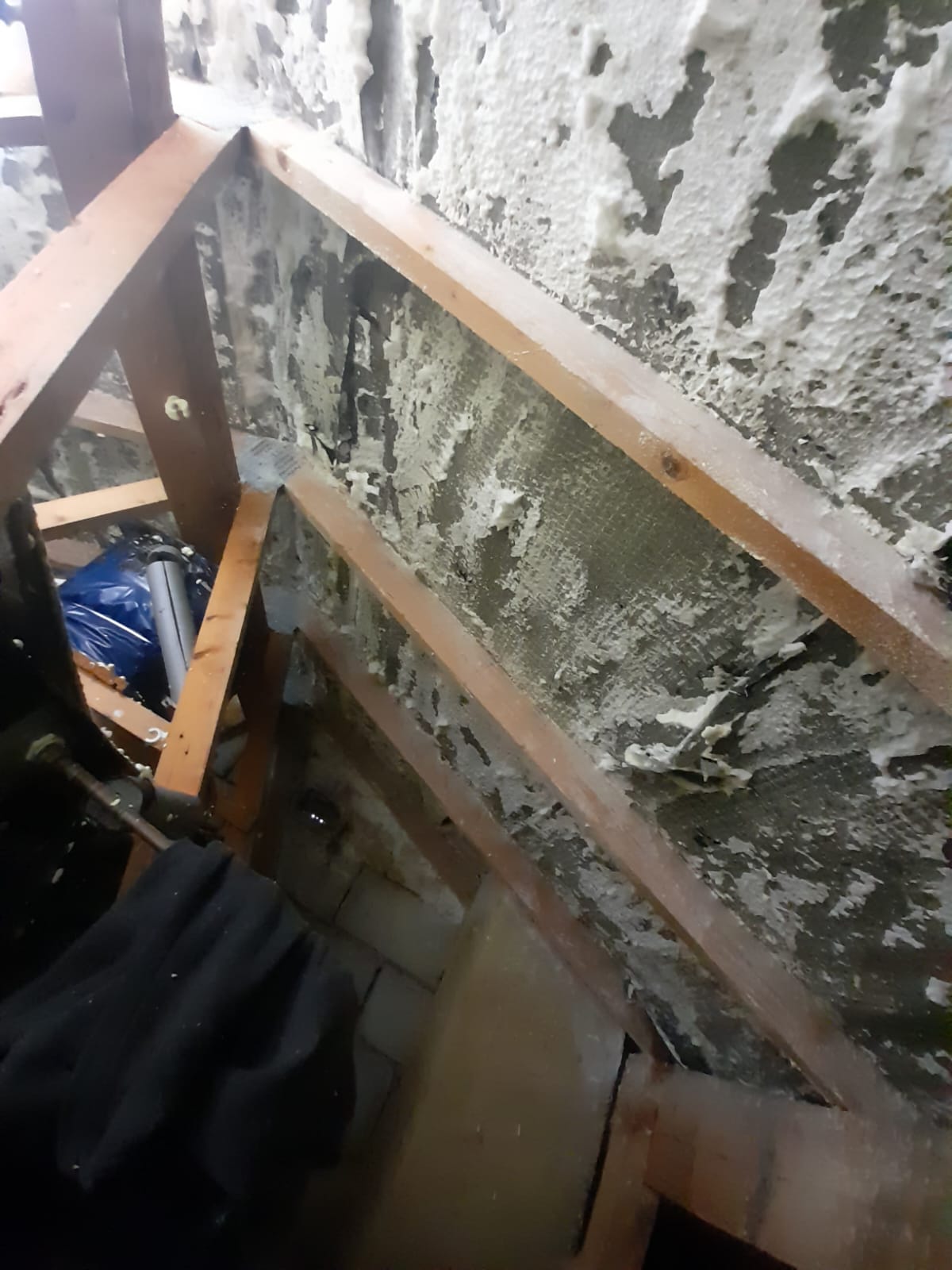
Mortgage lenders reject properties with spray foam insulation because it traps moisture inside roof structures, creating conditions for timber decay and structural failure. Lenders cannot ignore this risk to their investment.
Surveyors flag spray foam because it obscures roof timber condition. Once applied, a RICS surveyor cannot visually inspect underneath, creating uncertainty that translates to risk. Many lenders have explicit policies against properties with spray foam insulation.
Open-cell spray foam absorbs water; closed-cell foam can prevent proper ventilation. Either scenario allows timber to deteriorate silently, often undetected until structural integrity is compromised. Lenders know this pattern and have become cautious about approving mortgages on properties where spray foam remains in place, making mortgage after spray foam removal essential for approval.
Watch OutA rejected mortgage application due to spray foam isn’t a temporary setback, it signals to future lenders that the property carries unresolved risk. Each rejection makes subsequent applications harder, not easier.
Lenders’ spray foam policies vary, but all share the same underlying concern: structural risk and inability to verify roof condition. Some will approve with comprehensive documentation; others have blanket policies against it.
Most mainstream mortgage lenders will not lend on properties with spray foam in place. However, specialist lenders or experienced mortgage brokers may approve if you demonstrate professional removal and timber assessment for damage.
The key distinction centres on certification and proof. A lender might approve a property if you provide evidence that a qualified surveyor has inspected the roof after foam removal and confirmed structural integrity. Professional removal specialists like IUEX are critical because their certified reports carry weight with underwriters.
Some lenders will consider a property with spray foam if you obtain specialist insurance covering moisture-related damage, but this is expensive and temporary, removal becomes necessary for remortgaging or equity release.
Key TakeawayYour lender’s spray foam policy is usually non-negotiable during the initial application. The path forward isn’t negotiation, it’s professional removal and certified proof of structural integrity.
Spray foam directly suppresses property valuation. Surveyors flag it as a defect, reducing the lender’s advance. For equity release, the impact is more pronounced because providers are extremely conservative about structural risk.
For equity release, surveyors note spray foam as a material concern. Providers may refuse to lend or reduce the loan-to-value ratio significantly. A property qualifying for £100,000 could be reduced to £70,000 or rejected entirely.
The valuation impact persists even without visible damage. Valuers treat spray foam as a red flag because moisture retention and timber decay often occur silently, with substantial repair costs by the time problems appear.
Professional removal restores valuation. Once spray foam is removed and the roof structure is certified as sound, a structural integrity report becomes part of the property’s documentation and transforms a rejected application into an approvable one.
For remortgaging, the valuation impact is critical. If you attempt to remortgage, the new lender’s surveyor will identify spray foam and may decline your application. Removing the foam before remortgaging prevents this.
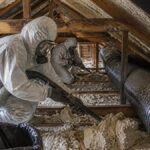
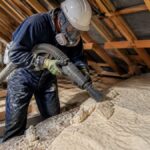
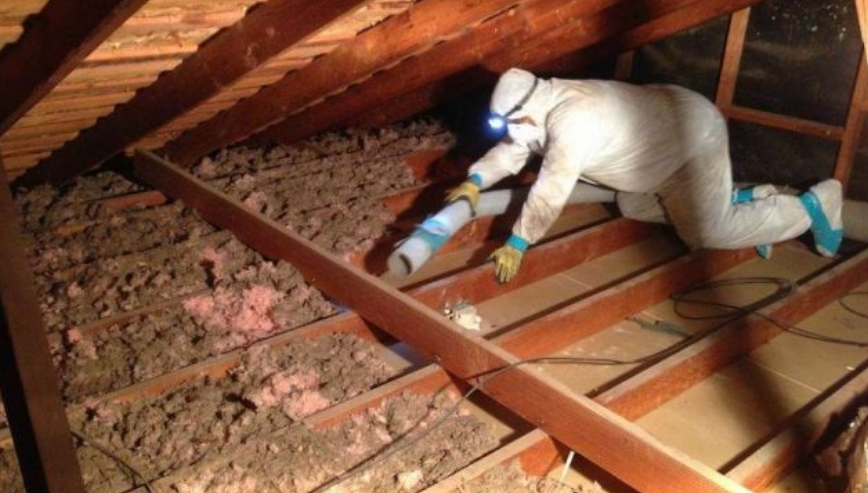
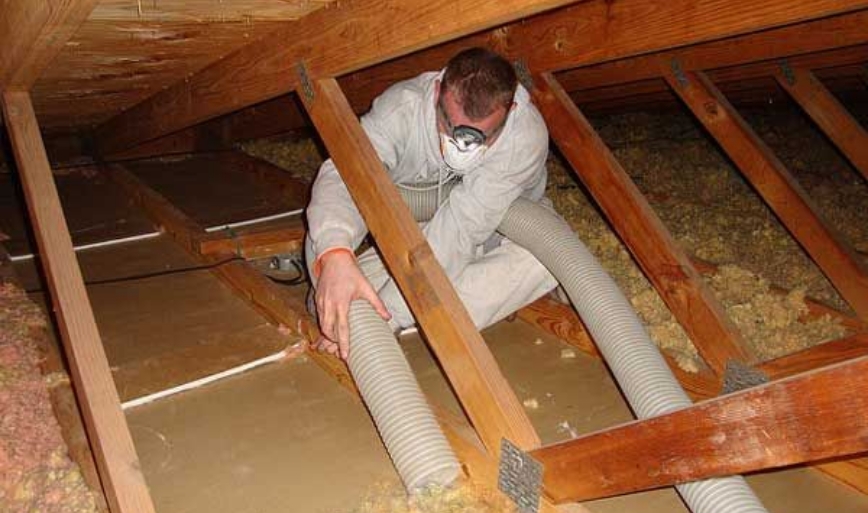
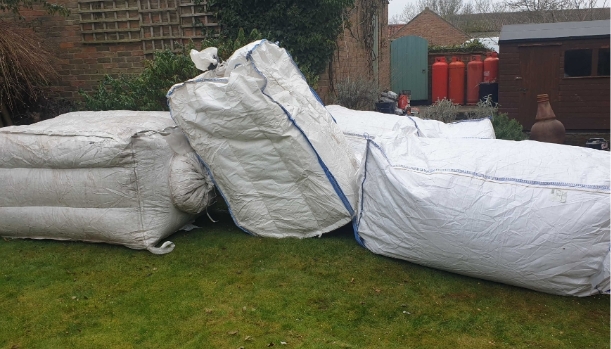
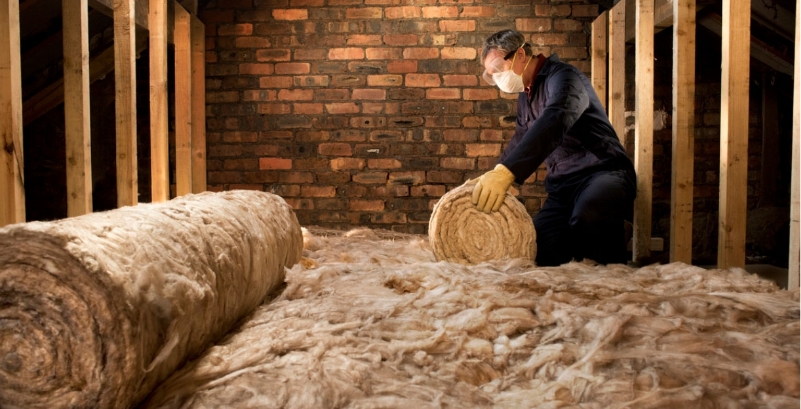
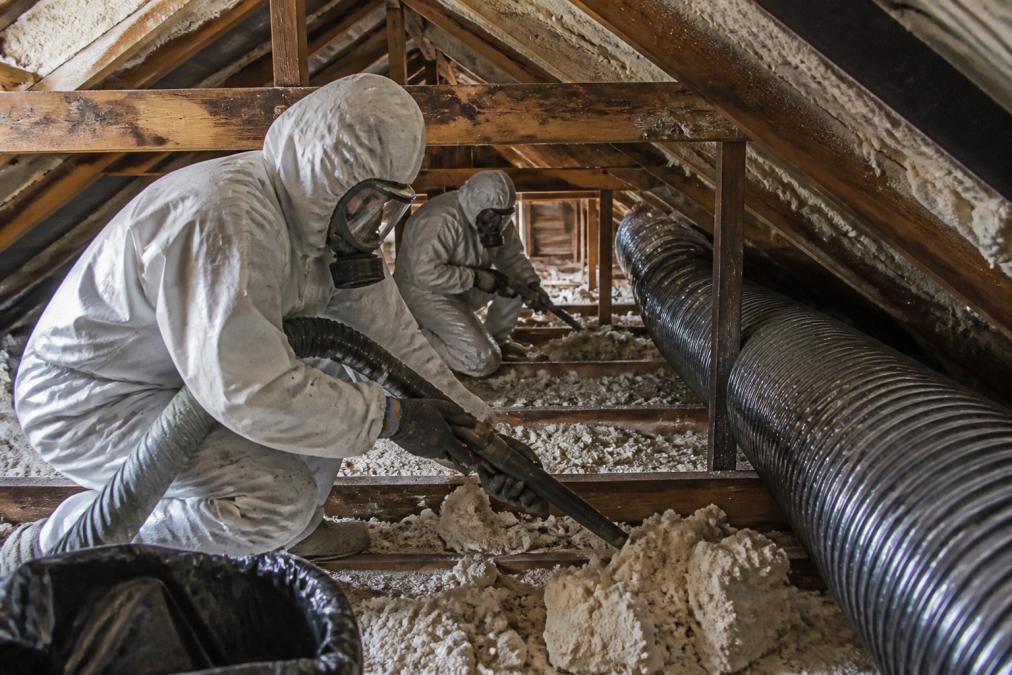
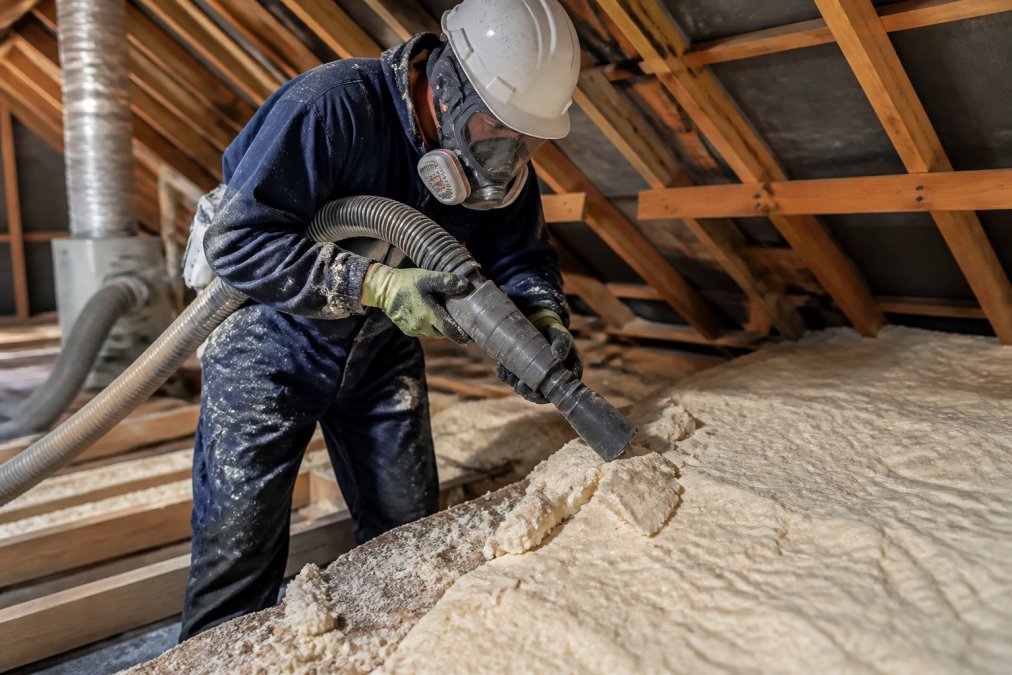
Professional spray foam removal requires trained roofers in protective equipment with proper ventilation and careful extraction. The process involves three stages: safe extraction, structural inspection, and documentation.
The first stage is containment. The work area must be sealed to prevent foam debris from spreading. Specialist contractors use negative pressure ventilation systems to manage airflow and ensure safe working conditions.
Extraction requires mechanical tools designed for foam removal. Workers use HEPA-filtered vacuums to capture particles as foam is carefully removed from around roof timbers. Rushing risks damaging timber or leaving residue that compromises future inspection.
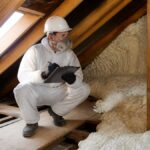
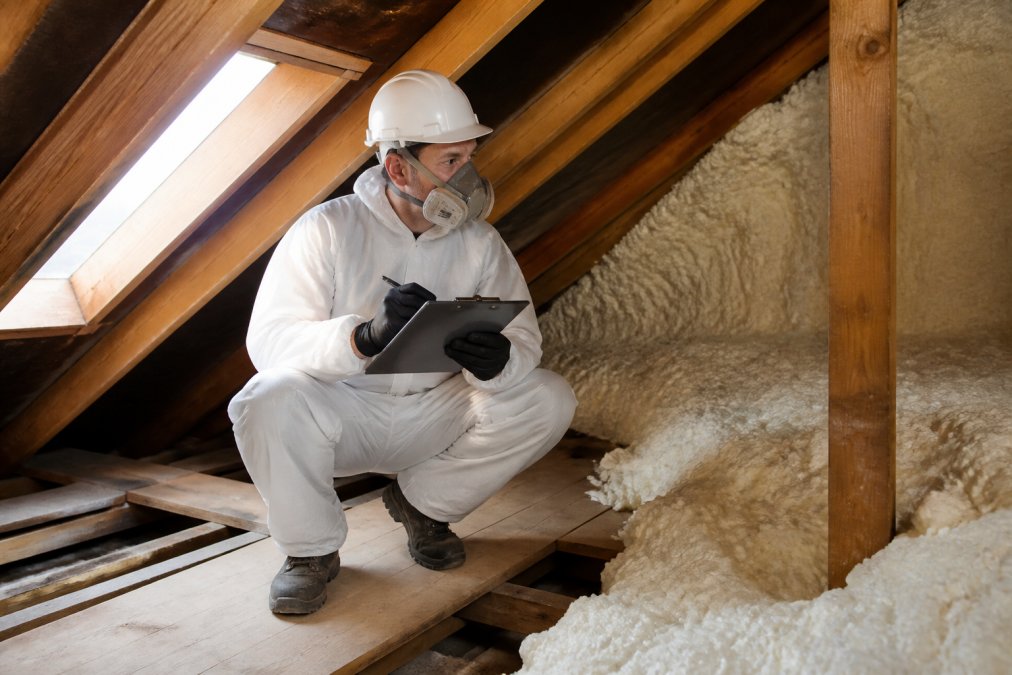
Once foam is removed, structural assessment begins. A qualified surveyor or experienced roofer inspects every timber for decay, moisture damage, or structural compromise. This documented inspection becomes the evidence you present to your lender and identifies any damage requiring remediation.
If damage is discovered, remediation follows: treating timbers with fungicide, replacing compromised sections, or installing ventilation. Remediation costs vary by severity but are far less expensive than losing the ability to refinance or access equity.
Pro TipThe inspection phase after removal is where most homeowners save money by cutting corners, and where they later regret it. A thorough structural assessment costs more upfront but prevents costly surprises when your lender’s surveyor reviews the work.
Certification transforms professional removal into a mortgage-compliant solution. IUEX issues a formal certificate documenting the work completed and structural condition after removal, what mortgage lenders and equity release providers need to see.
The certificate must be issued by a qualified contractor with expertise in roof structure and insulation removal. IUEX’s trained roofers are fully certified to issue Mortgage and Equity Release certificates, carrying weight with underwriters.
A mortgage-compliant certificate includes: removal date, foam volume and type, timber condition before and after, remedial work completed, and confirmation the roof meets building regulations. Without these details, the certificate has little value.
A general contractor might issue a basic completion certificate. A mortgage-compliant certificate from IUEX confirms structural integrity and provides the evidence lenders need to approve your application.
A surveyor’s report is valuable but differs from a removal certificate. The surveyor confirms the roof is sound after removal but wasn’t present during extraction. A certificate from the removal specialist carries more authority because it documents the entire process and condition changes.
Watch OutA certificate stating only that “foam was removed” is insufficient for mortgage approval. Your lender needs documented evidence of structural integrity, not just completion of the removal task.
The structural integrity report is the foundation of your mortgage application after spray foam removal. It confirms the roof structure is sound, timber is free from decay, and the property meets building regulations standards.
The report must be thorough and specific, including photographic evidence, detailed timber notes, ventilation confirmation, and remedial work. Vague reports carry minimal weight. Lenders want specific timber assessments, moisture readings, and professional opinion on structural viability.
The inspection involves examining every accessible timber for decay, moisture damage, infestation, or compromise. Moisture readings confirm conditions are suitable for timber preservation. Ventilation is assessed to ensure adequate airflow prevents future moisture accumulation.
The report documents all remediation: fungicide treatment, ventilation upgrades, or timber replacement with materials and methods. This documentation gives lenders confidence in the structural integrity claim.
The structural integrity report should be completed within a few weeks of foam removal while the roof structure is fully accessible. Waiting months creates a gap lenders view with suspicion.
Your mortgage application after spray foam removal succeeds or fails based on documentation. Lenders require evidence, not faith. Understanding what documentation your lender needs is essential for approval.
The core documentation package includes the removal certificate, structural integrity report, before-and-after photographs, and remedial work invoices. Photographs provide visual evidence of work completed and roof condition that underwriters review to confirm thorough, professional removal.
Before-and-after photographs should show the roof space with foam in place, then after removal and inspection.
| Documentation Type | Purpose | Critical for Approval |
|---|---|---|
| Removal Certificate | Proves work completed by qualified contractor | Yes |
| Structural Integrity Report | Confirms roof timbers are sound | Yes |
| Before/After Photographs | Visual evidence of removal and roof condition | Yes |
| Remedial Work Invoices | Proof of professional remediation if required | If applicable |
| Ventilation Improvements Documentation | Evidence of preventive measures | Highly recommended |
| Building Regulations Compliance | Confirmation work meets standards | Depends on lender |
Key TakeawayDocumentation is your mortgage application’s backbone. Incomplete or vague documentation leads to rejection or delays. Professional removal specialists like IUEX provide comprehensive documentation as standard because they understand what lenders require.
Once spray foam removal is complete and all documentation is in place, your path to mortgage approval becomes clear. The next steps involve submitting your application with the removal evidence, working with your mortgage broker or lender to address any questions, and proceeding to valuation and offer.
Mortgage lenders reject spray foam due to concerns about roof timber decay, moisture retention, and lack of proper ventilation. Spray foam can trap condensation and water, leading to structural damage that affects the property’s long-term value. RICS surveyors often flag spray foam as a risk factor during property surveys, which triggers lending criteria restrictions. Lenders require evidence that the foam has been professionally removed and the roof structure verified before approving the mortgage.
You need a mortgage-compliant certification issued by a qualified contractor following professional removal. This certificate confirms the foam has been extracted and the roof structure inspected for damage. A structural integrity report from a surveyor or roofing specialist strengthens your application. Some lenders also require a homebuyer report or valuation survey confirming the remediation work. The certification acts as proof to underwriting teams that the property now meets their lending criteria.
Once professional removal is complete and documentation is in place, you can typically apply immediately. However, allow 2-4 weeks for the contractor to issue the removal certificate and for any structural assessments to be completed. If roof timber decay is discovered during removal, remediation may add 4-8 weeks. Your surveyor’s inspection and report can happen in parallel with removal work, accelerating the timeline. Contact your lender early to confirm their specific requirements so nothing delays your application.
Gather the contractor’s removal certificate, itemised invoices showing labour and materials, before-and-after photographs of the loft space, and a structural integrity report from a qualified surveyor or roofing specialist. Include any remediation invoices if roof timber repair was needed. Provide a copy of the property survey or homebuyer report confirming the work. Keep all documentation organised in a single folder to submit with your mortgage application. This evidence package demonstrates to the underwriting team that the risk has been professionally addressed.
Getting Mortgage After Spray Foam Removal Home Get Certified Spray…
Get Certified Spray Foam Removal Quote: A 2026 Guide Home…
Equity Release Rejected: How to Fix Spray Foam Issues Home…


For a hassle free simple Spray Foam Removal solution,with gaurantees for Mortgage acceptance. With a All inclusive fully comprehensive solution as standard. iuex.co.uk is un rivaled in this industry.
With Offices.
– Lewes – Devon
– Birmingham – Edinburgh
– Leeds – Cambridge
– Macclesfield
– Northern Ireland
– Wokingham